The best things to do in Milos unfold slowly: time on the water, quiet villages, long meals by the sea, and landscapes that change character with the light. There are no mega beach clubs or cruise-ship crowds here. Whether you’re planning a romantic escape, a quiet family stay, or time alone, this guide brings together the experiences that define the island at its most refined.
From exploring secluded coves by boat, to the lunar rocks of Sarakiniko, and from the colorful boat houses of Klima to tavernas in Plaka, Milos invites you to explore at your own rhythm. Our guide to the top things to do in Milos shows how to experience Milos without the rush.
→ Wondering where to stay? Check our list of The Best Chic Hotels in Milos
*This post contains affiliate links from which we may earn a commission, at no extra cost to you.
All photos in this post are by Laskowski & Zadros. © TravelPlusStyle.com.
“He is the richest who is content with the least, for content is the wealth of nature.” — Socrates
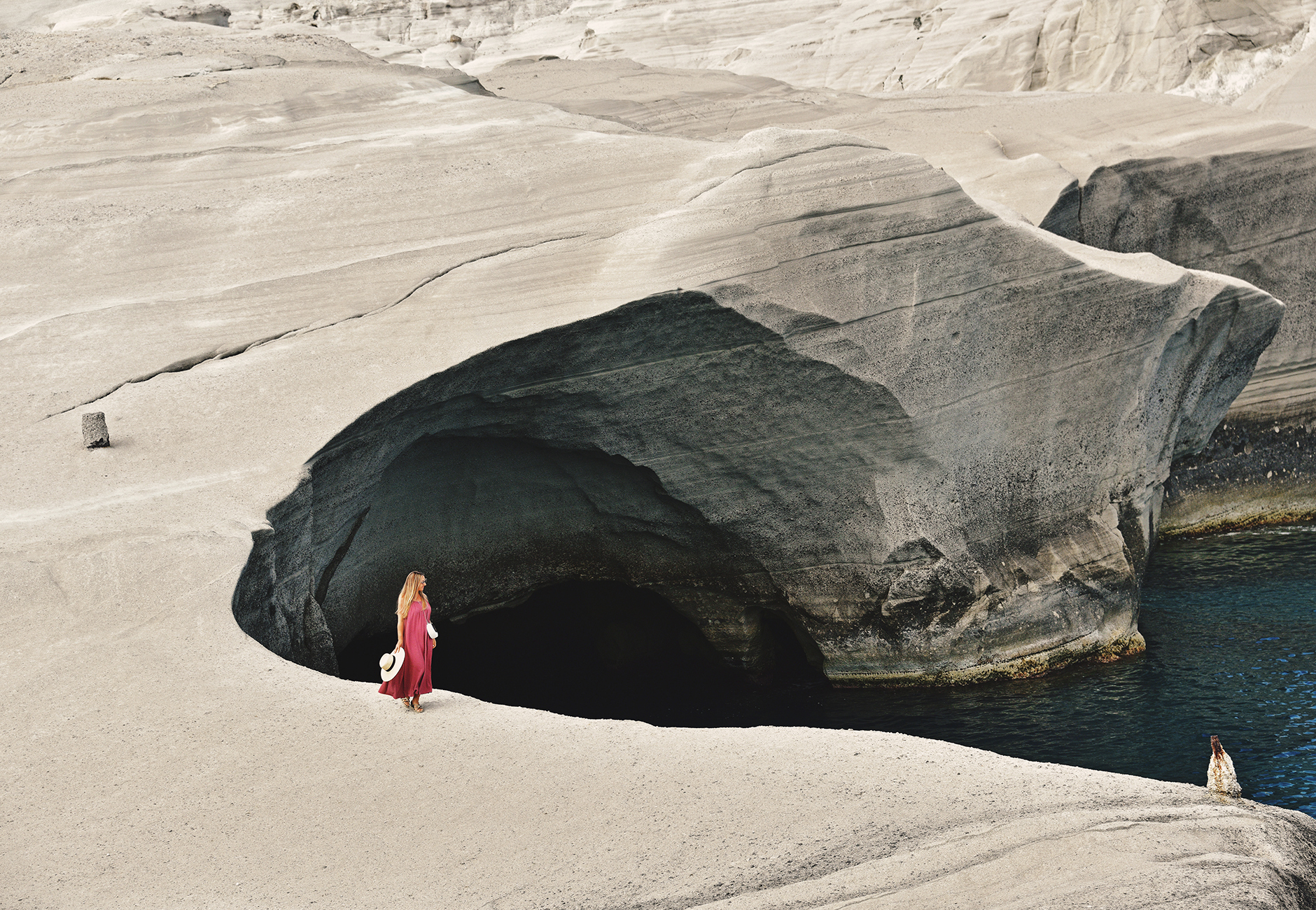
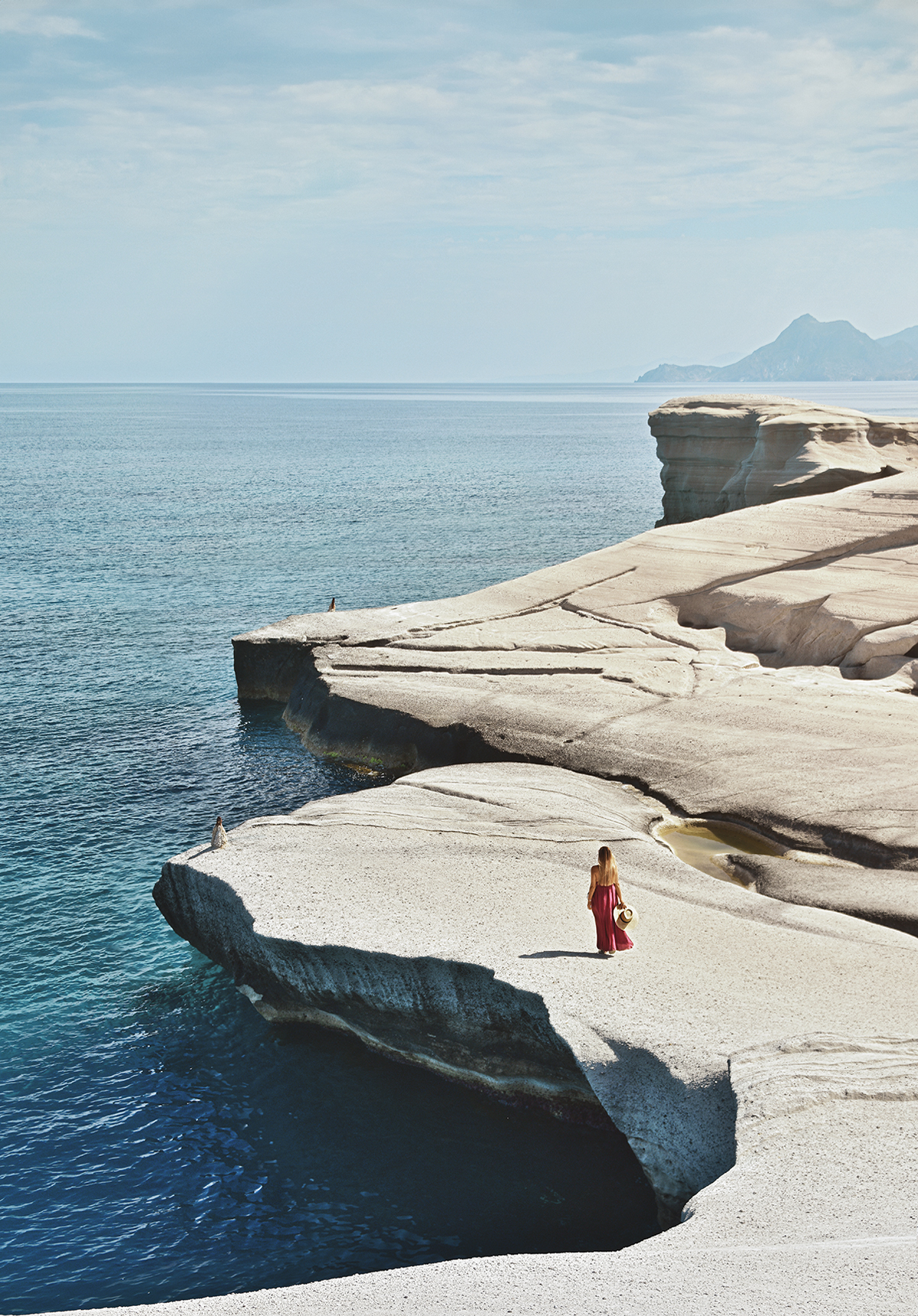
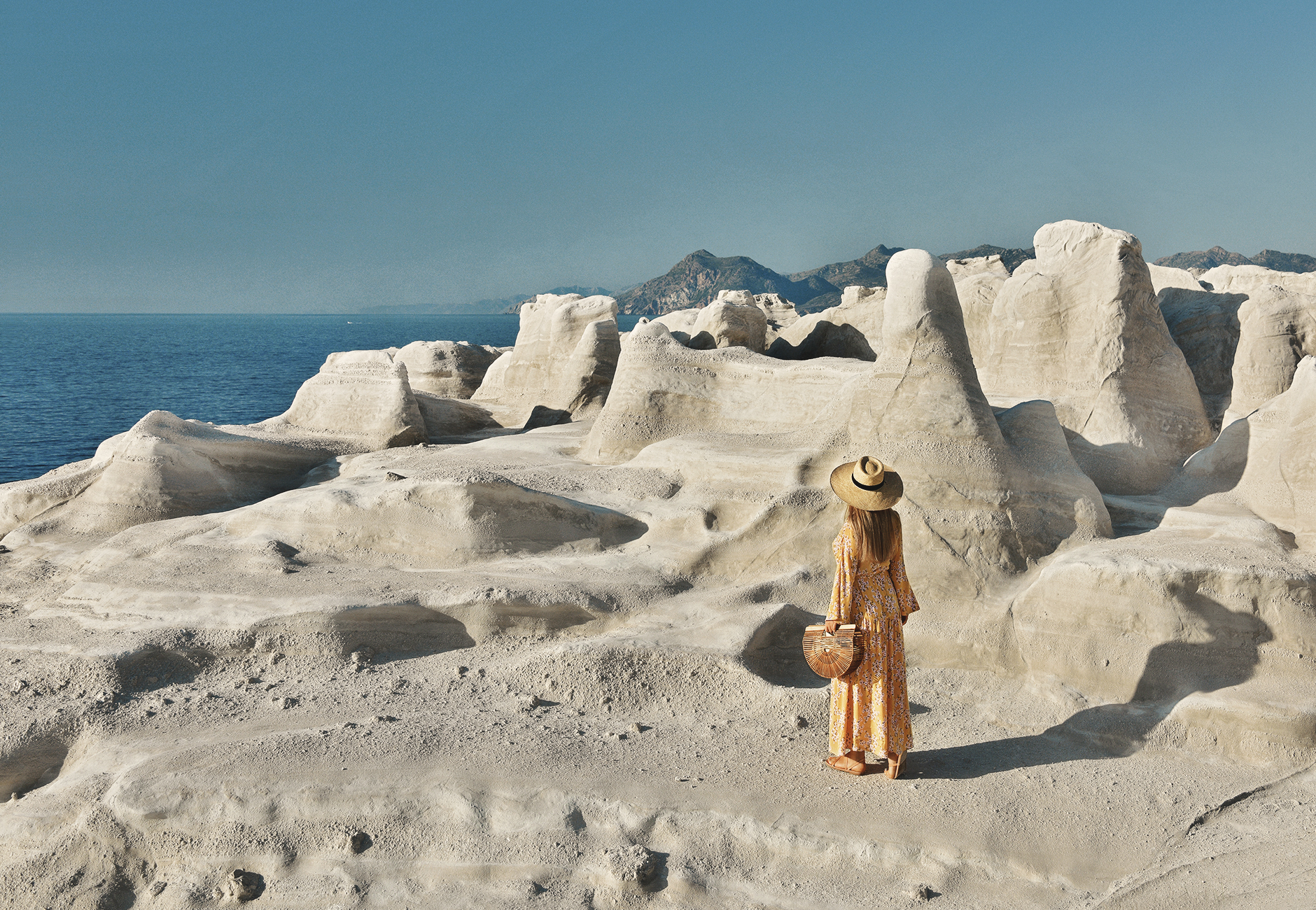
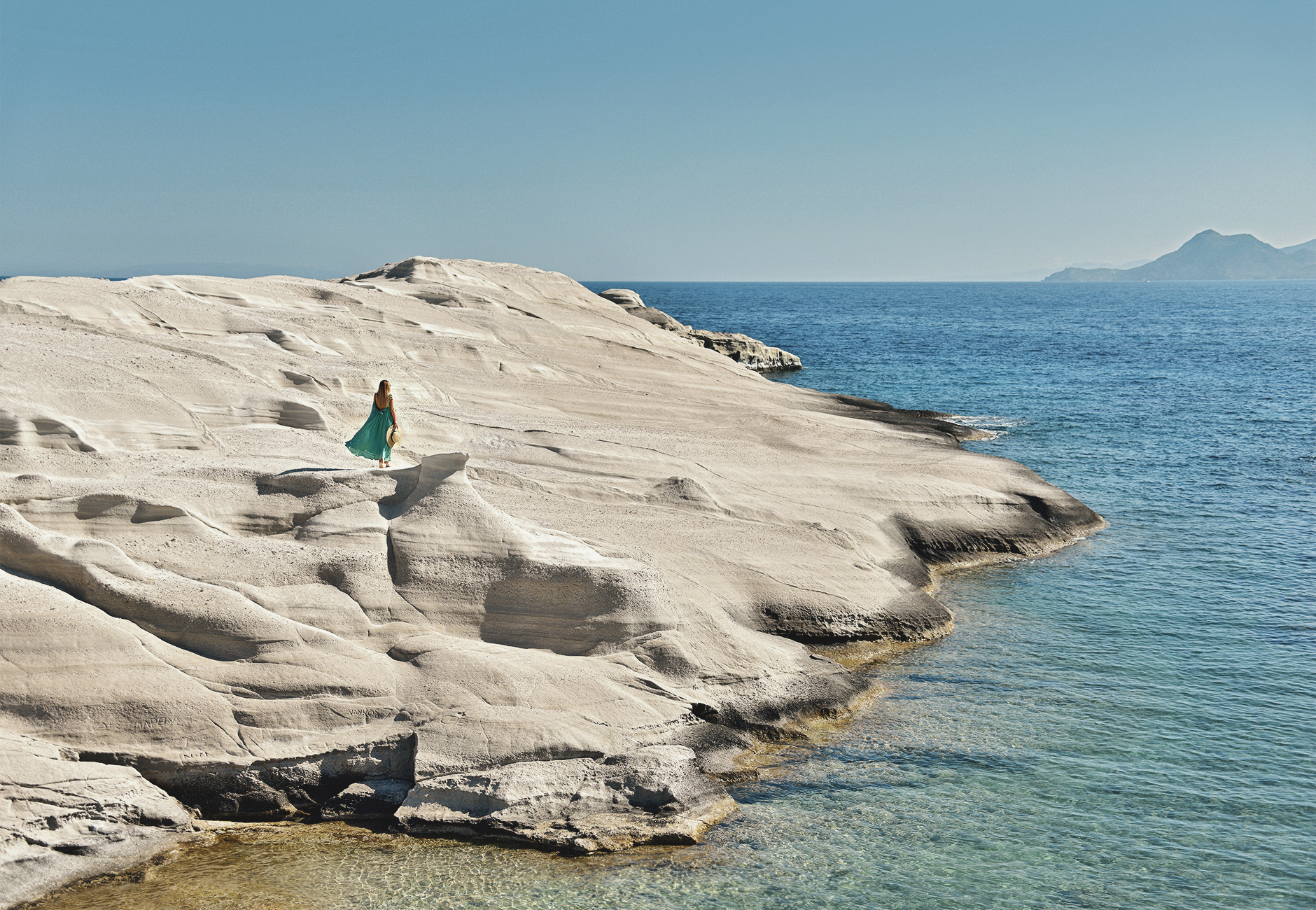
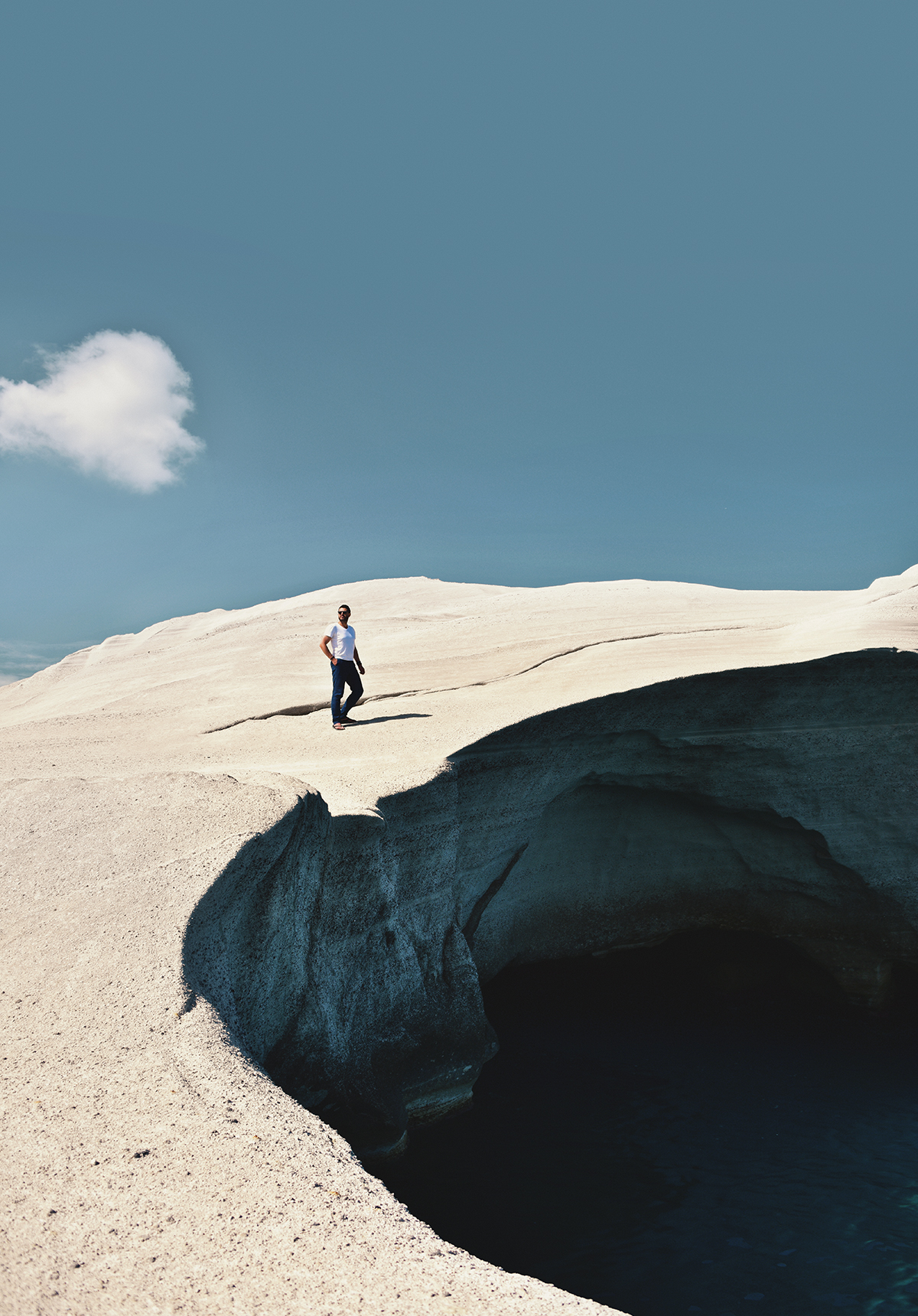
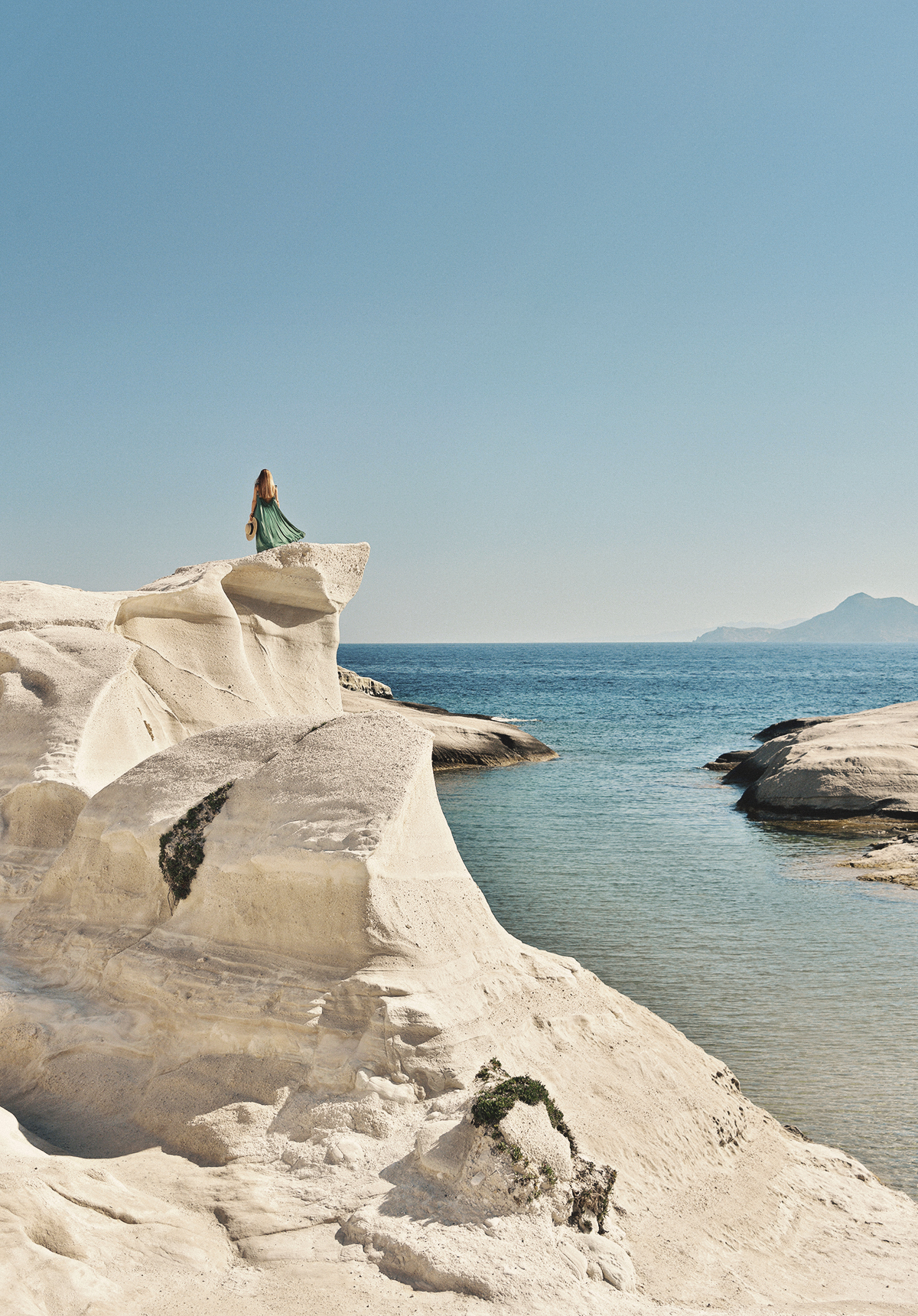
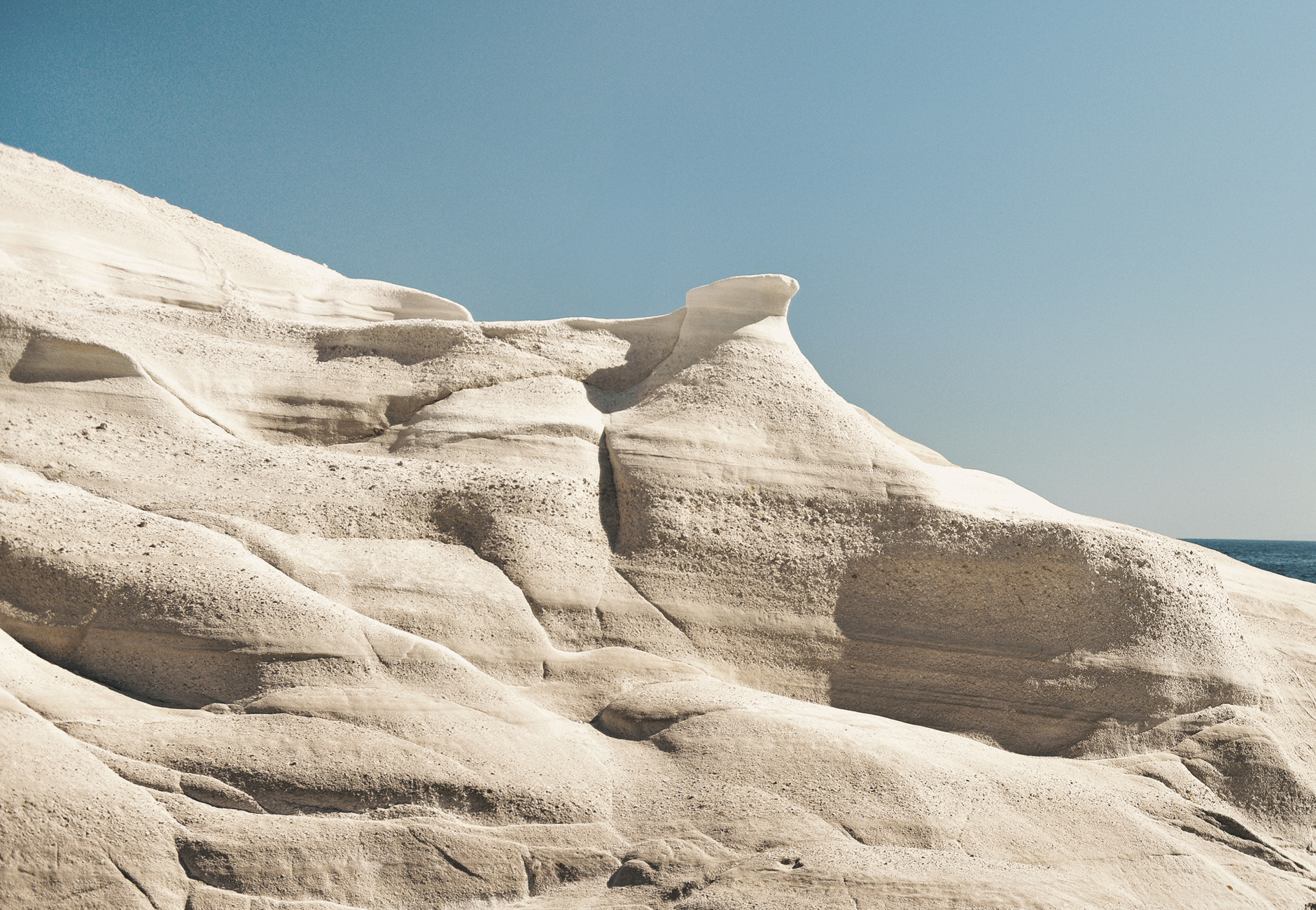
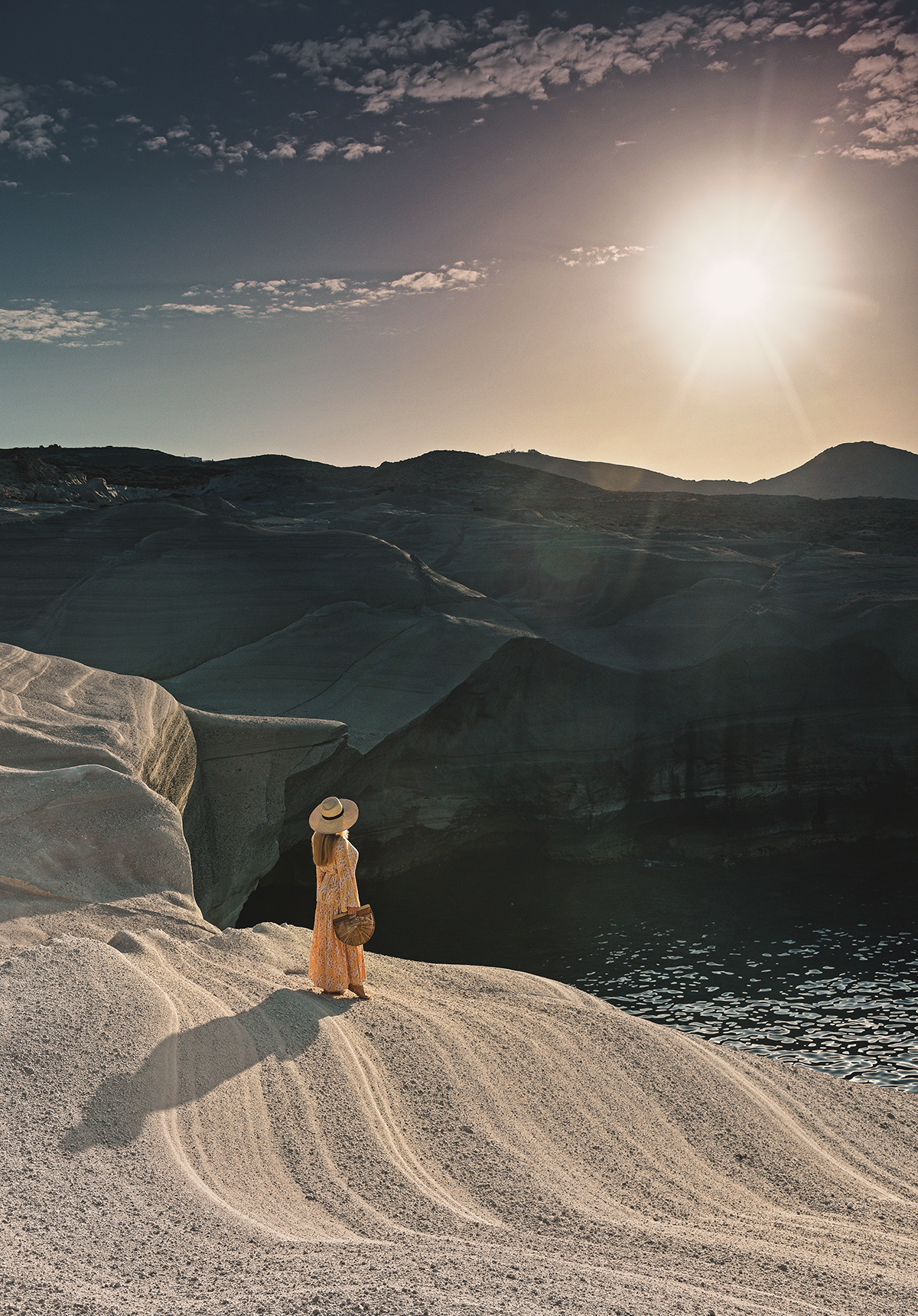
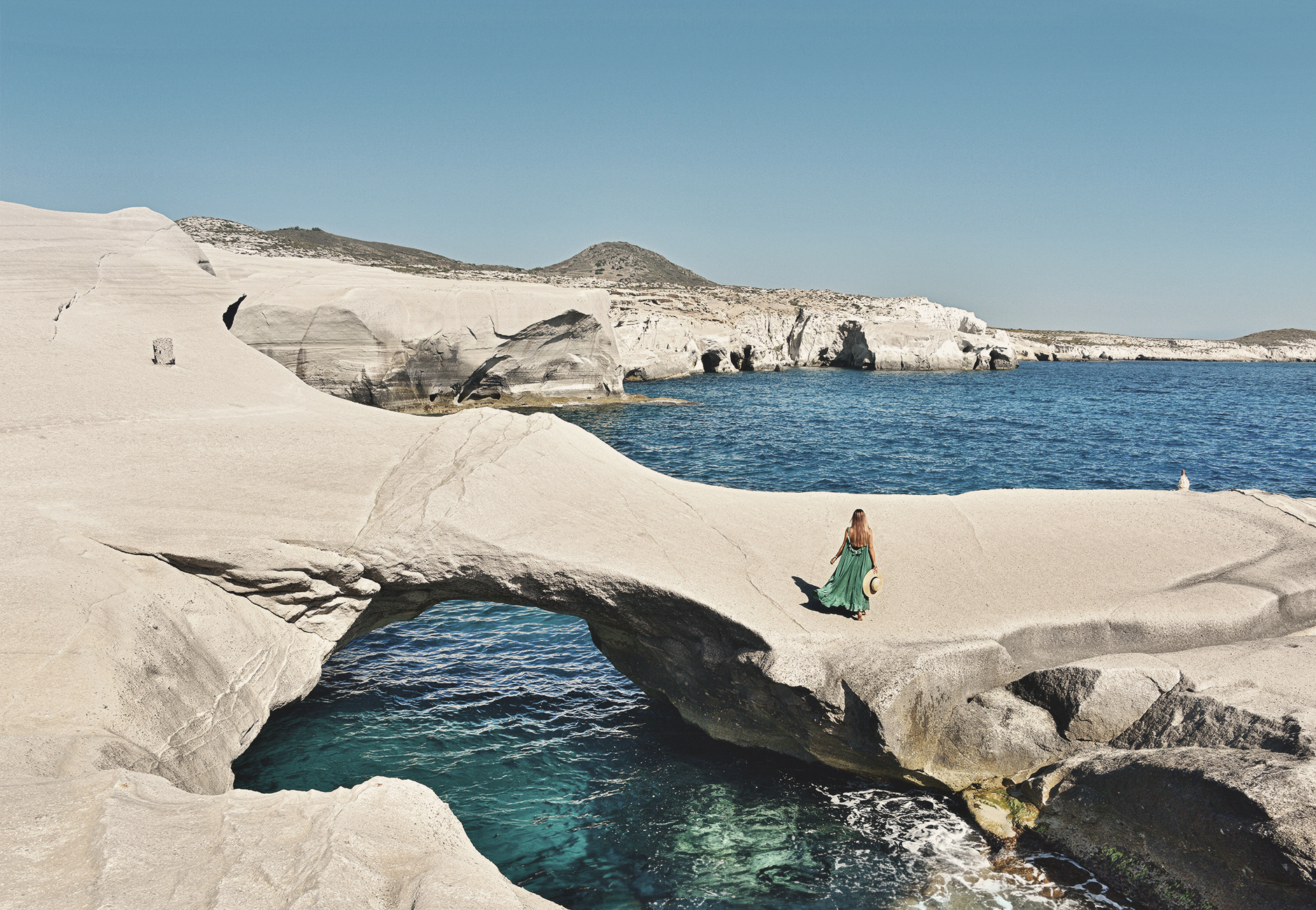
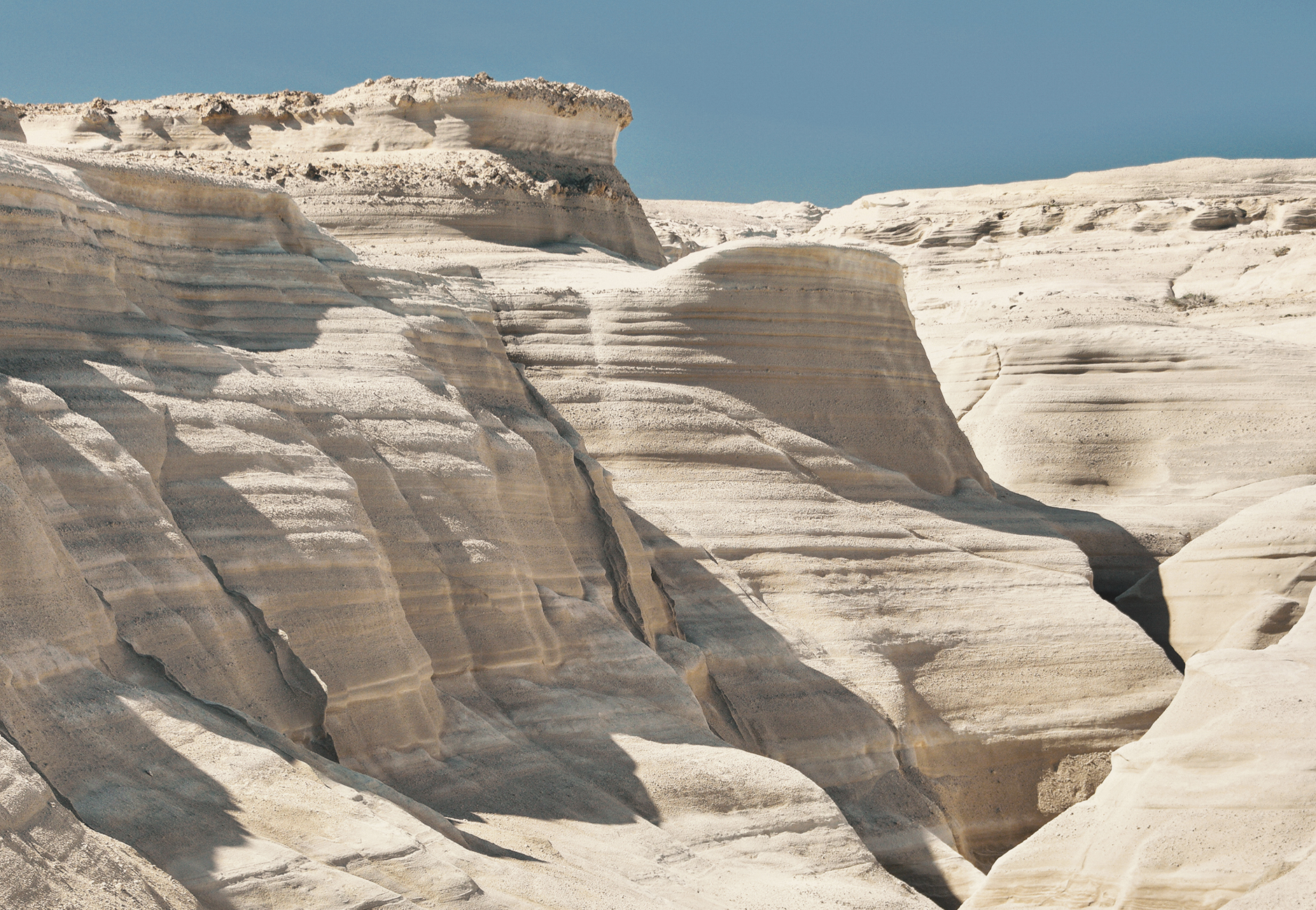
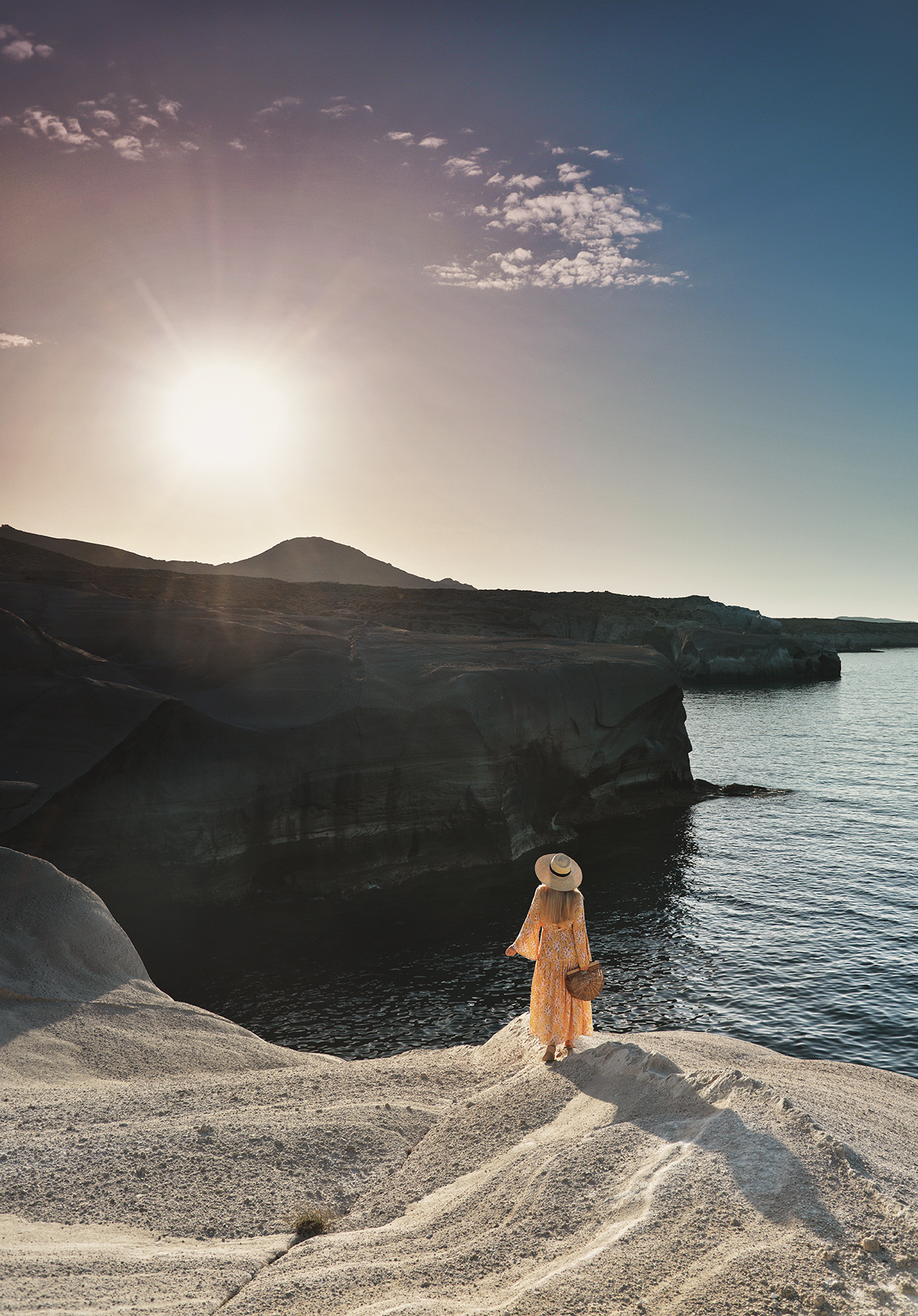
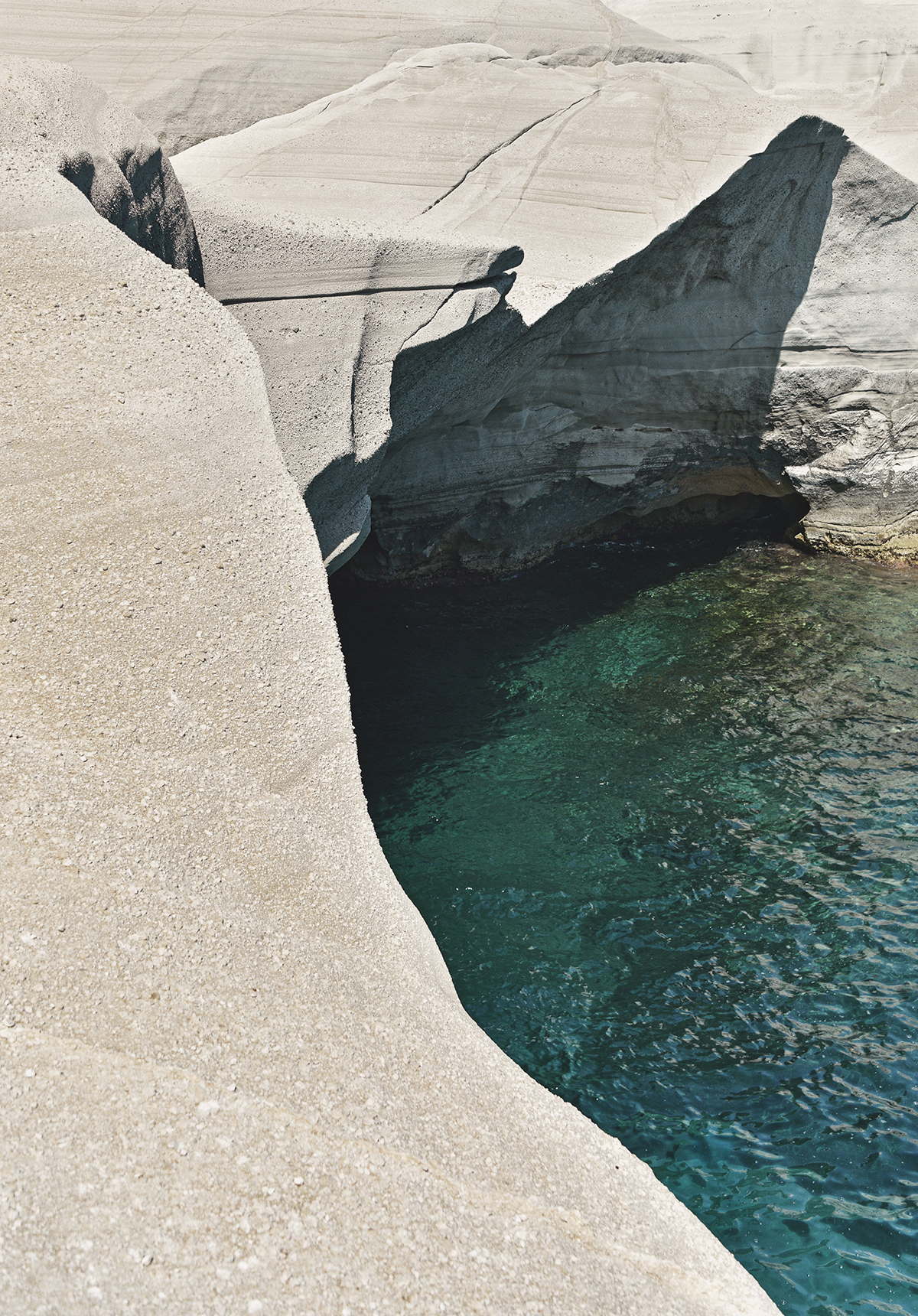
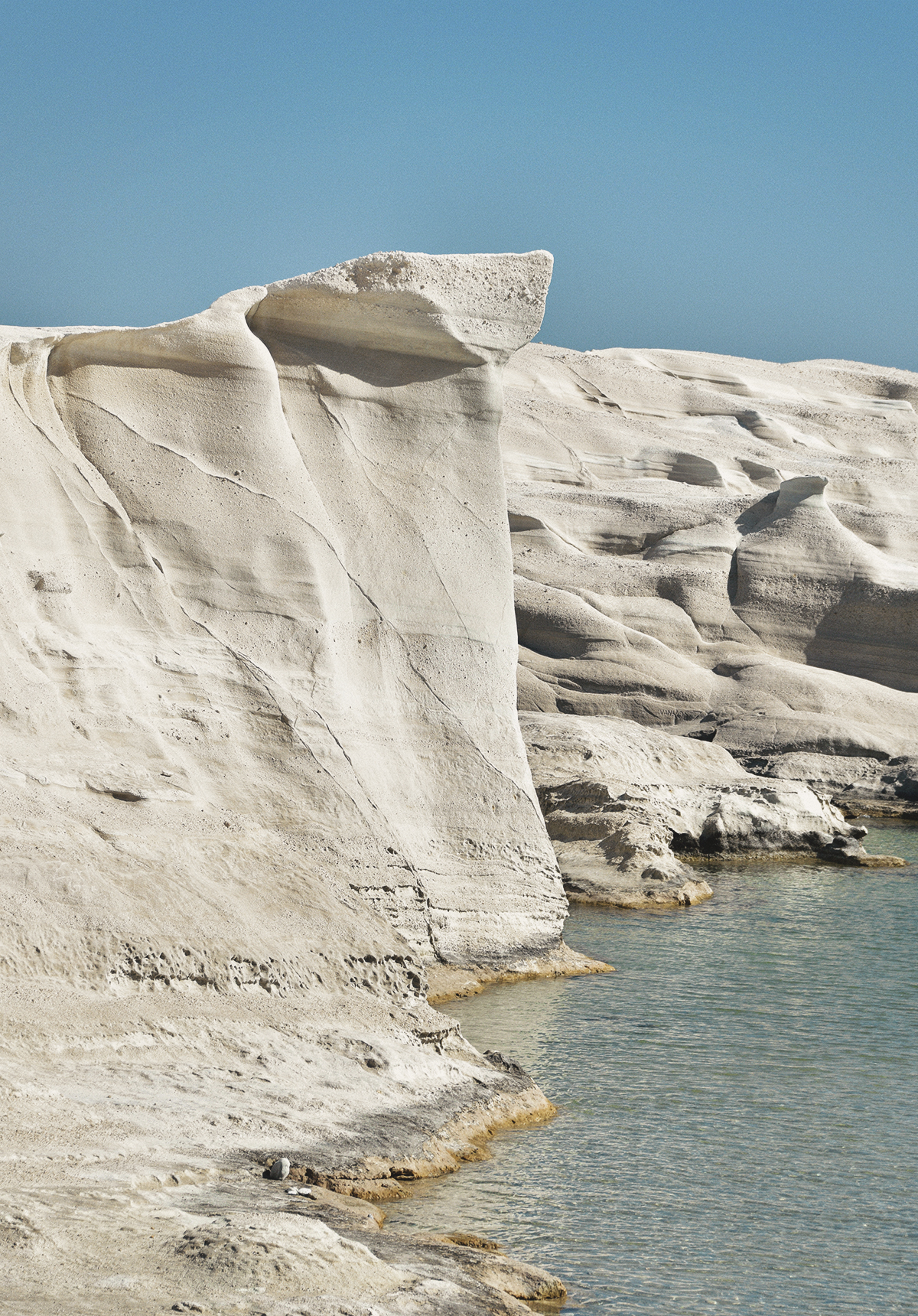
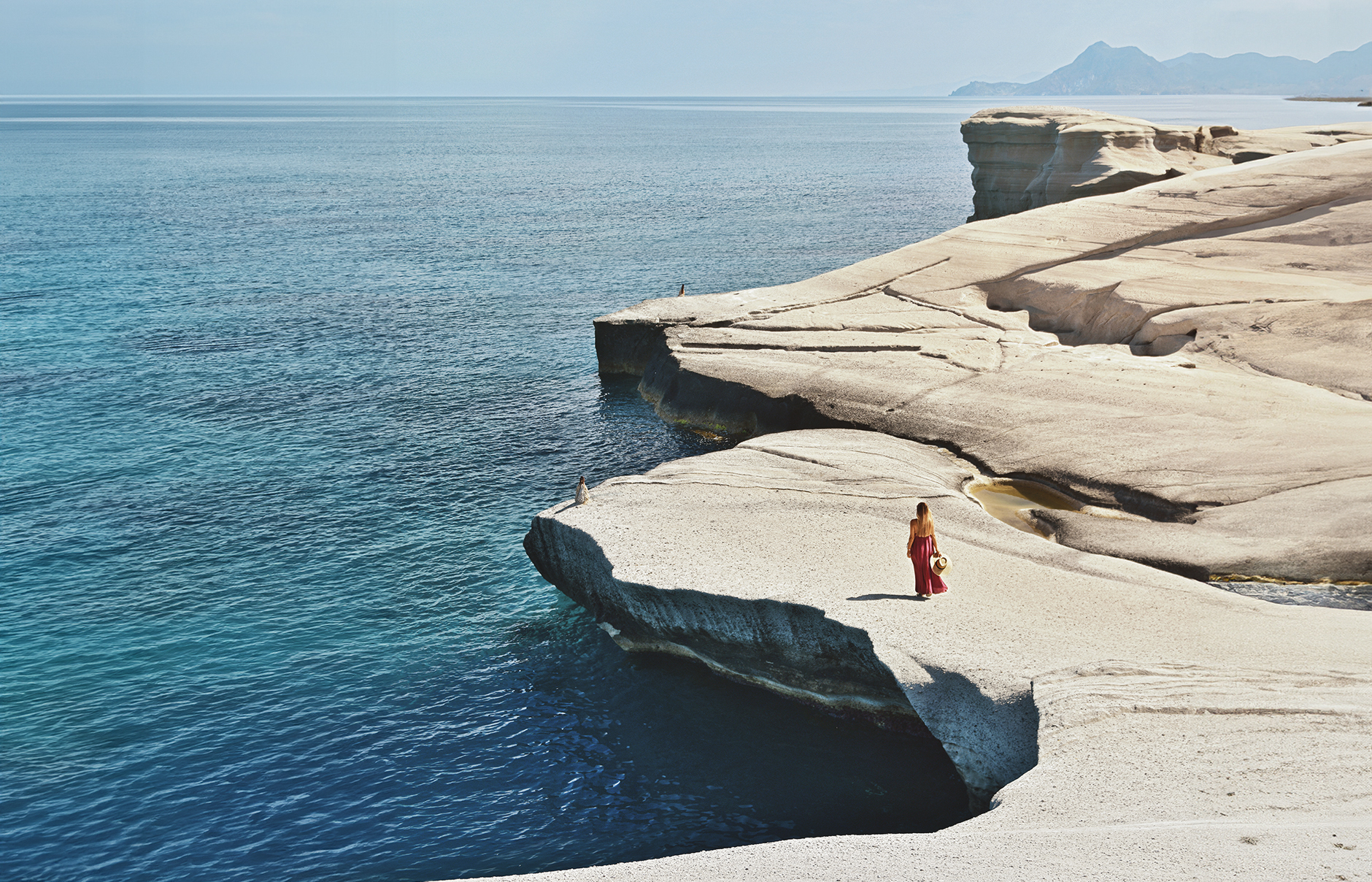
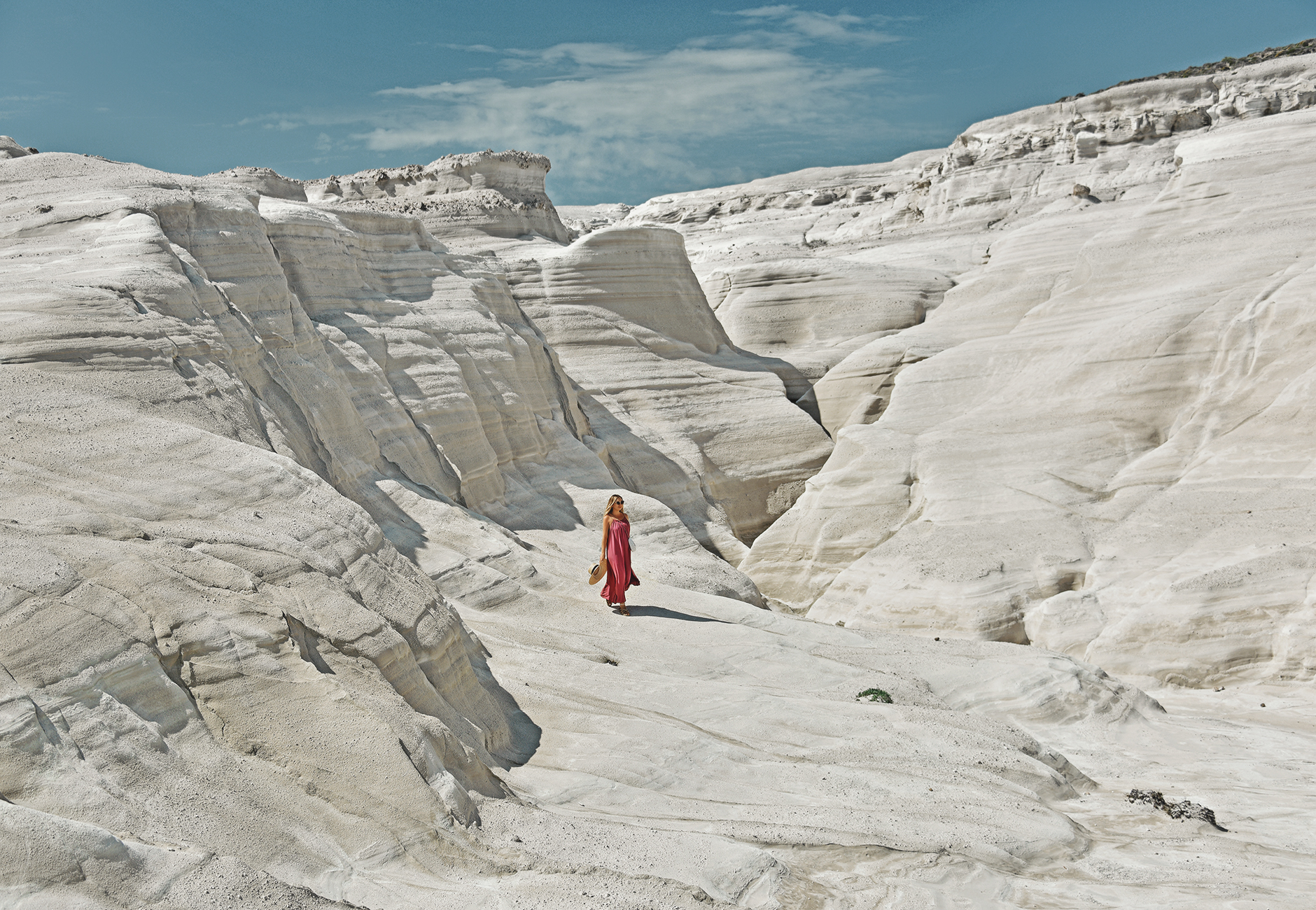
Photos don’t quite prepare you for Sarakiniko. The smooth, white rock formations feel almost lunar, shaped over centuries by wind and sea. Early in the morning, before the island fully wakes, the soft light sculpts the rocks’ textures and curves, making every step feel like a discovery.
Unlike a traditional beach, there is no sand here; instead, you walk across a solidified layer of volcanic ash that feels soft and chalky underfoot. It’s a stark reminder of the island’s explosive origins.
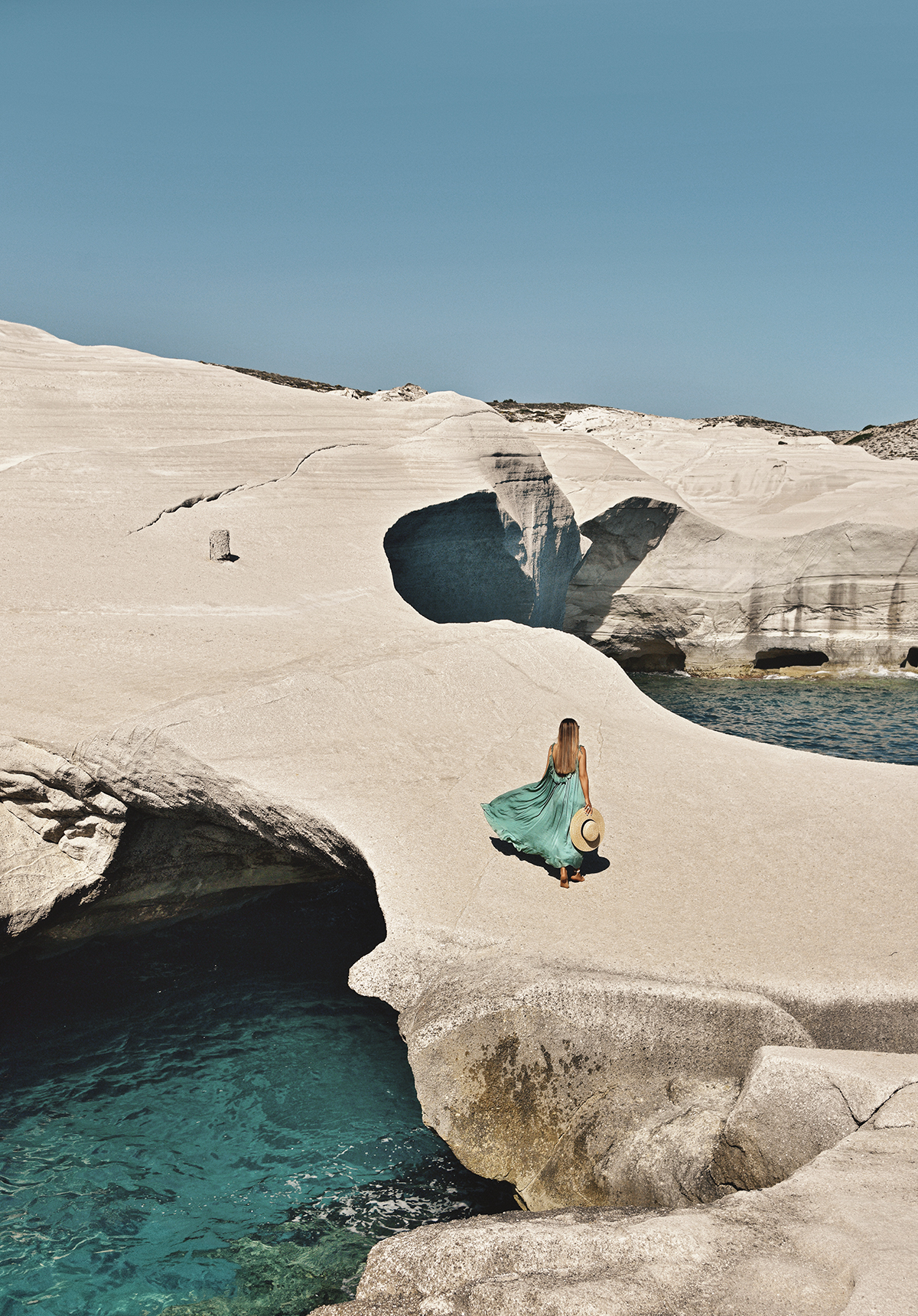
Beyond the shoreline, the area feels like a natural labyrinth. Wind and water have carved the soft stone into deep canyons, bridges, and archways that invite you to wander inland, away from the sea. When you do reach the water, the contrast is startling: the blinding white stone against the deep, turquoise Aegean creates a palette that looks almost over-saturated.
Swimming here feels immersive rather than recreational, as if you’re part of the landscape itself. Even mid-day, the cliffs and caves create a sense of drama, while hidden pockets along the shore invite exploration.
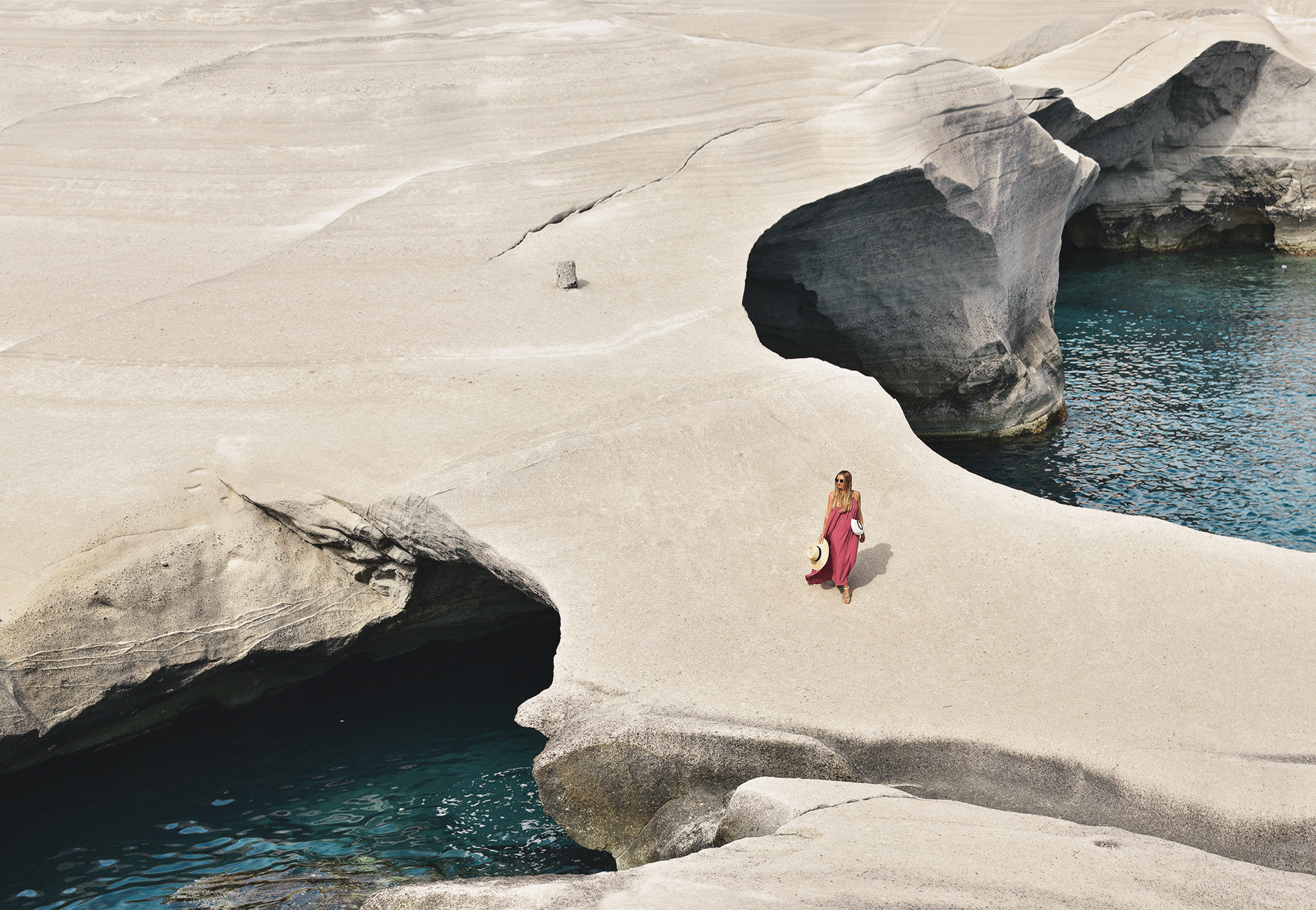
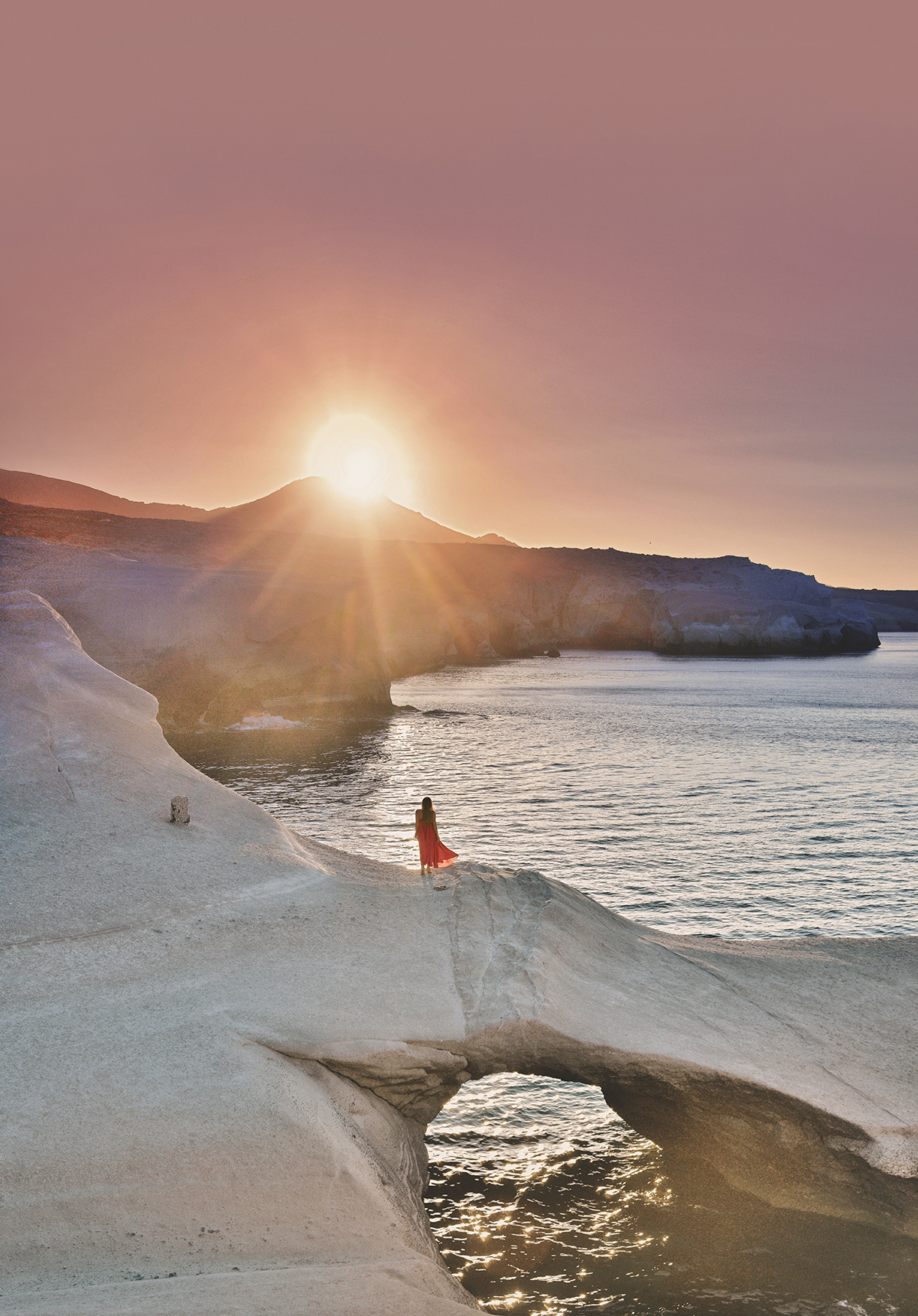
We visited Sarakiniko multiple times during our stay and found that the landscape felt very different at different times of day. While the midday sun turns the rocks into a blinding white mirror, the “Golden Hour” softens the stone into warm shades of apricot and violet. For the truly adventurous, returning under a full moon offers a surreal experience: the white rocks reflect the moonlight, turning the cove into a glowing, ghost-like valley that feels entirely otherworldly. Or, visit at sunrise. Early morning, the place offers a serene, almost meditative atmosphere, with only a handful of people visiting.
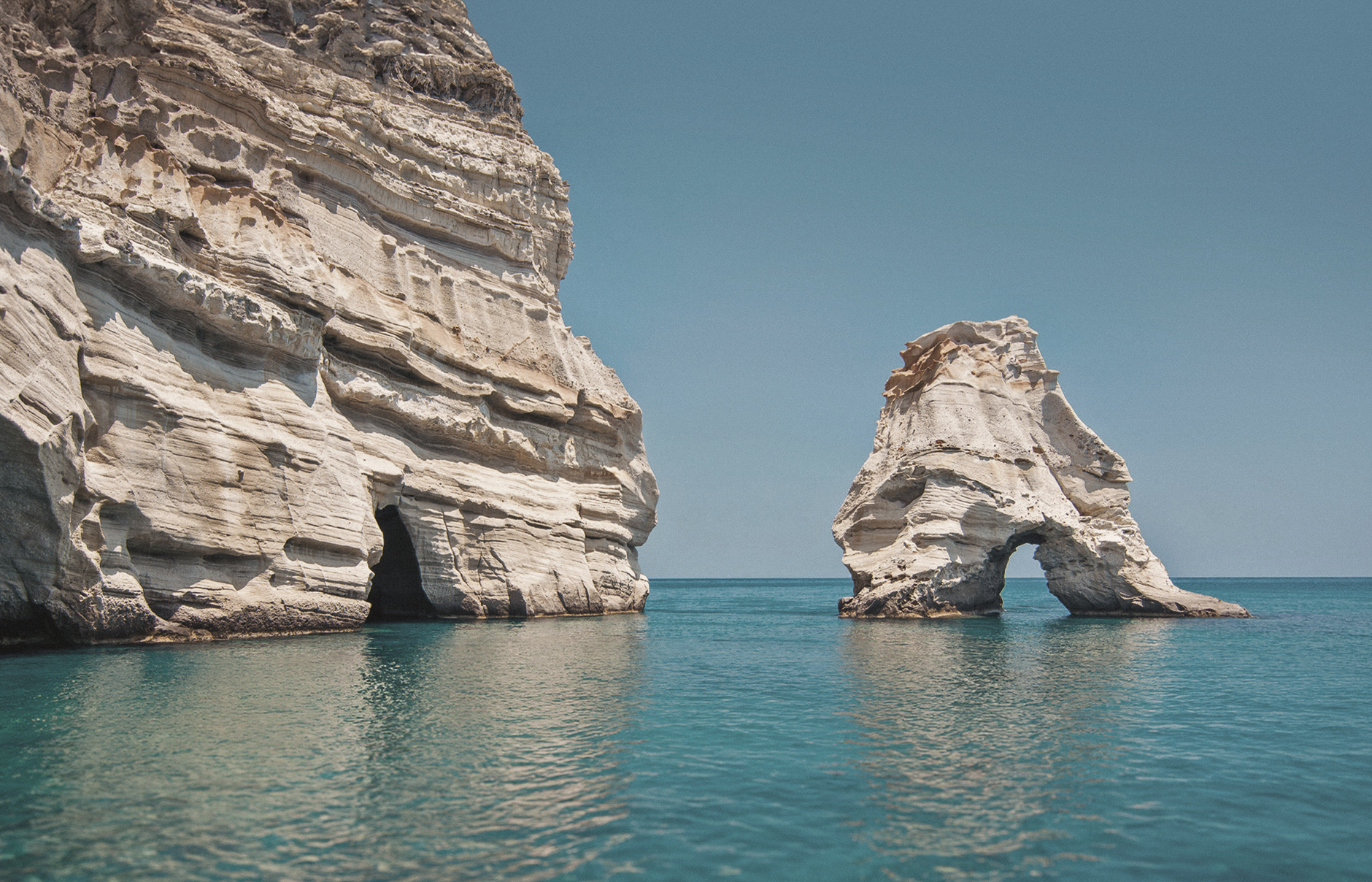
One of the most magical ways to discover the island is from the water. Sailing reveals dramatic cliffs and crystal-clear waters otherwise inaccessible—places like Kleftiko, Sykia, and Papafragas are nothing short of spectacular. Private boat rentals let you move at your own pace, stopping wherever the light or mood feels right.
From the deck of a boat, even the popular beaches take on a new character. Coasting past the southern shore, you get a unique vantage point of Firiplaka’s striking red and white cliffs and the narrow, adventurous descent into Tsigrado. While these can be reached by land, seeing them from the sea emphasizes how wild and cinematic the island truly is. These experiences showcase Milos’ variety: a mix of dramatic landscapes and quiet discovery.
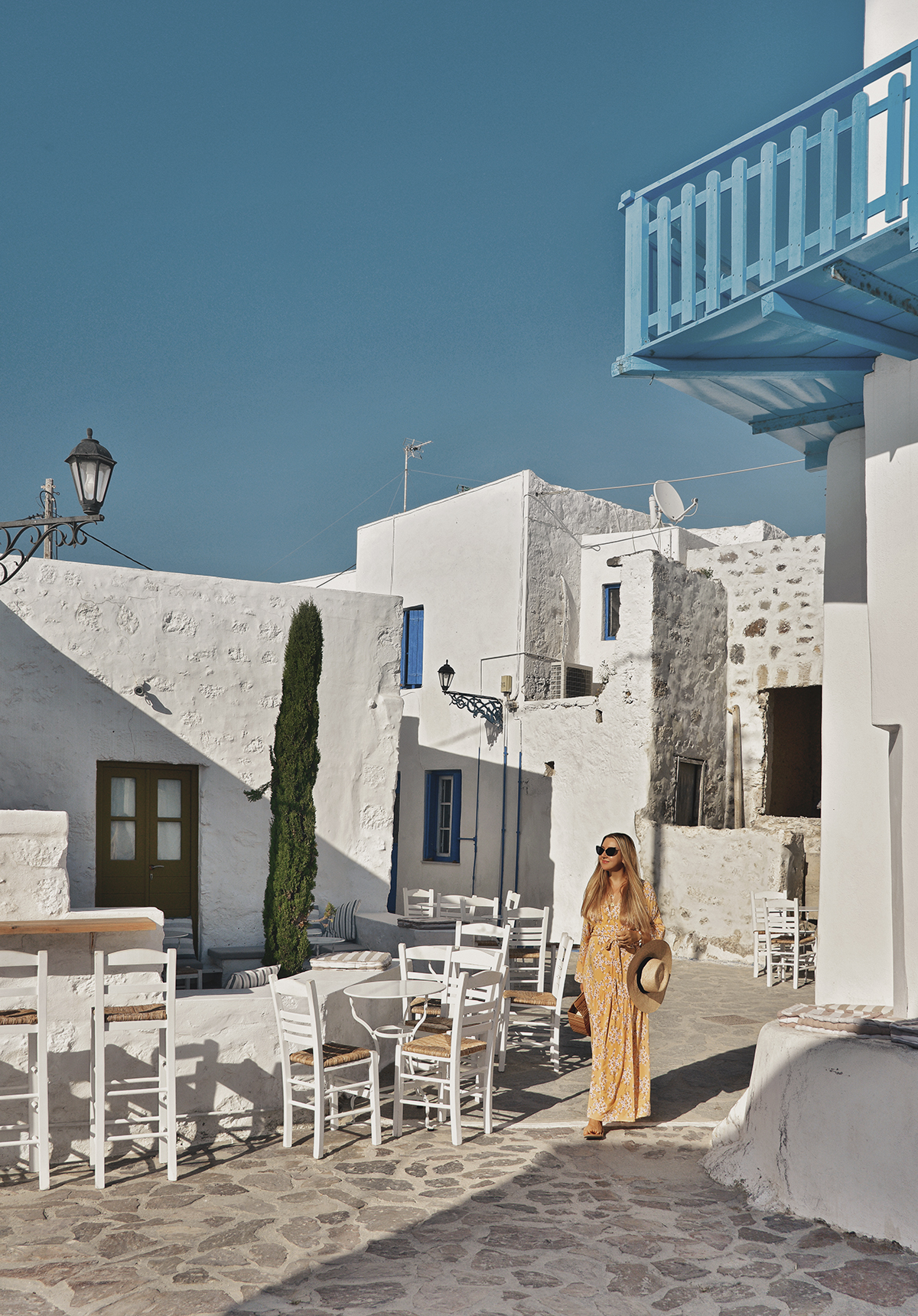
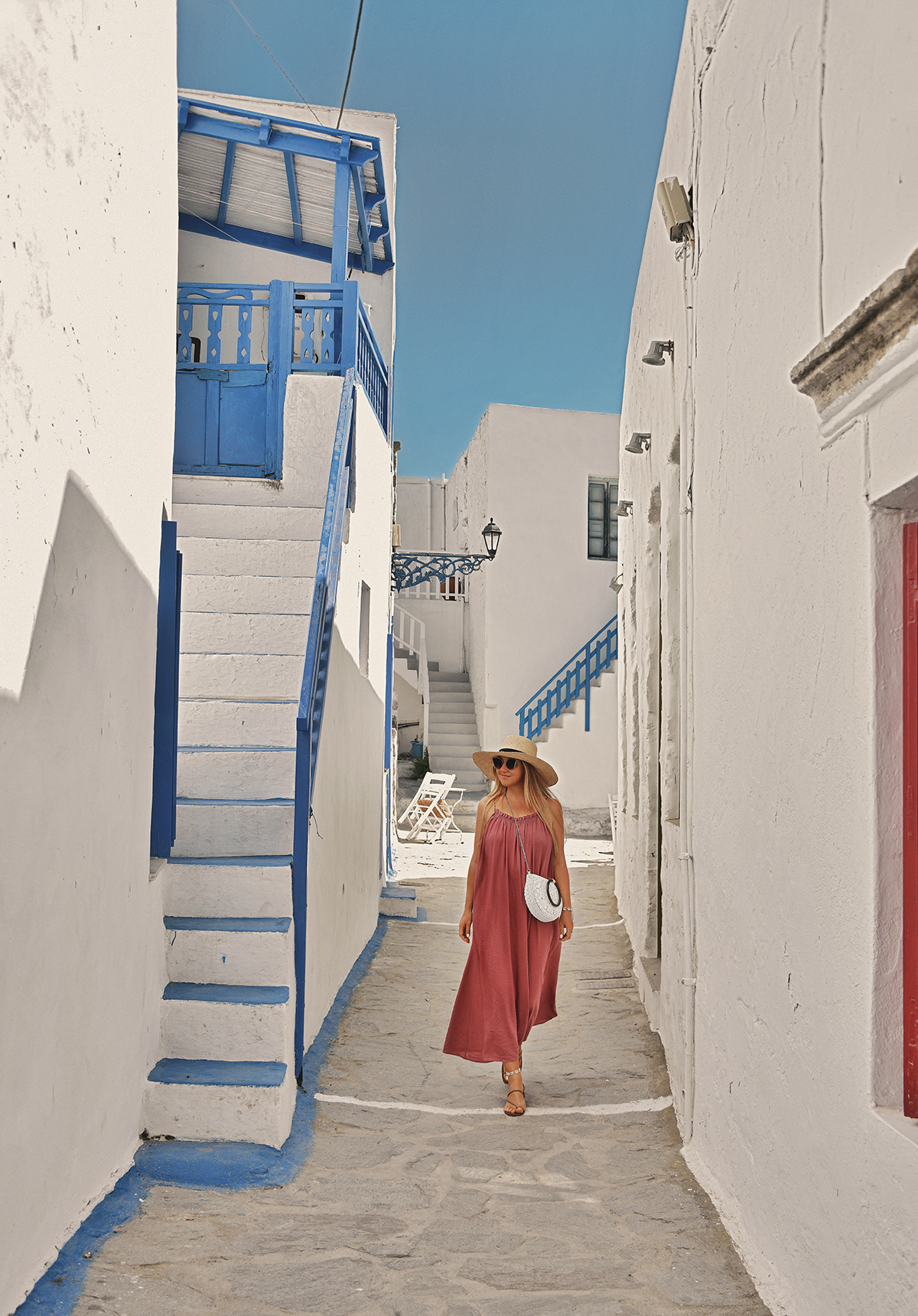
Plaka, the capital of Milos, is understated in the best possible way. Unlike flashier Cycladic towns, it reveals itself slowly, rewarding those who take the time to wander without a plan.
“Greece does not show itself all at once. It unfolds.”
– Patrick Leigh Fermor
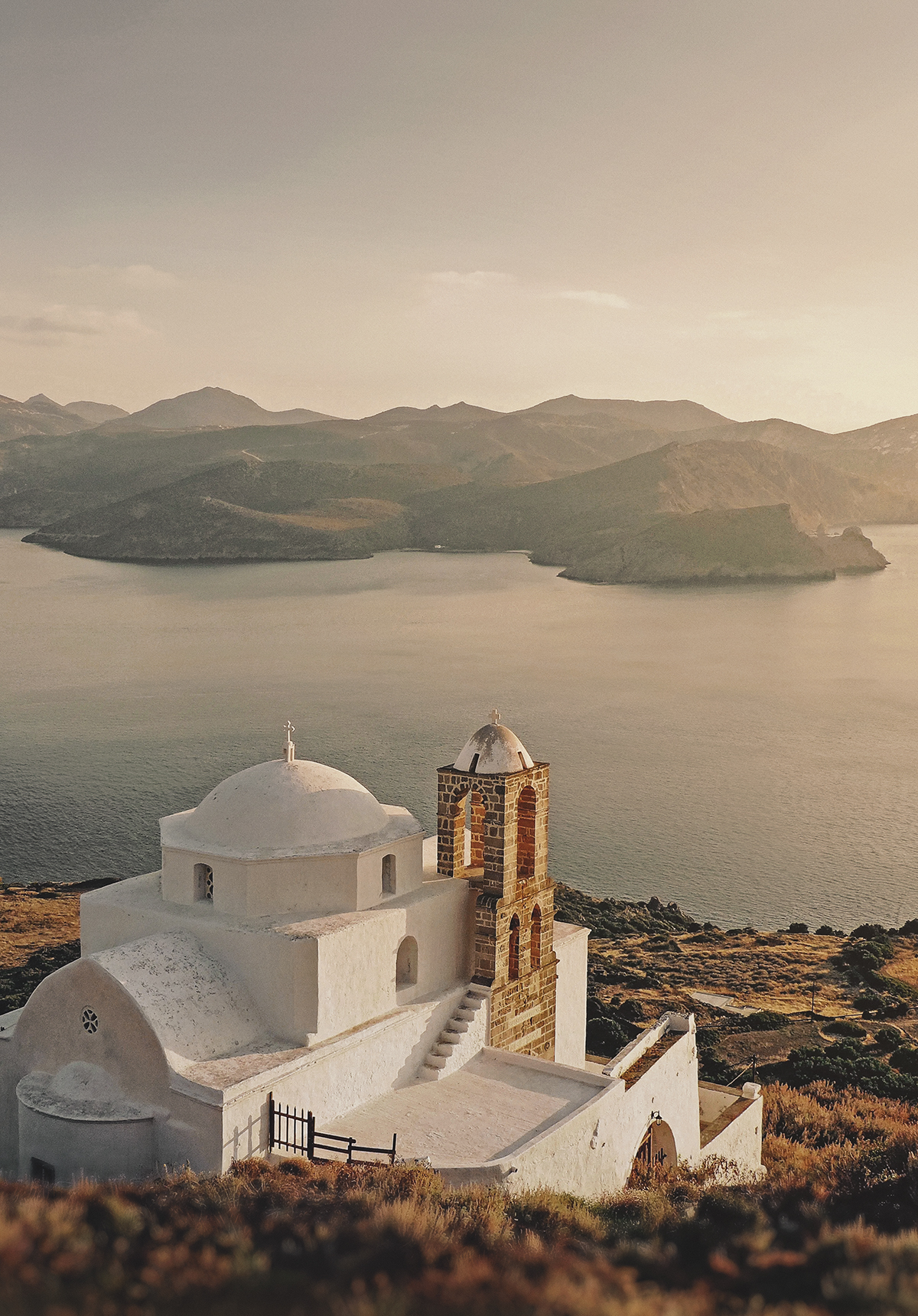
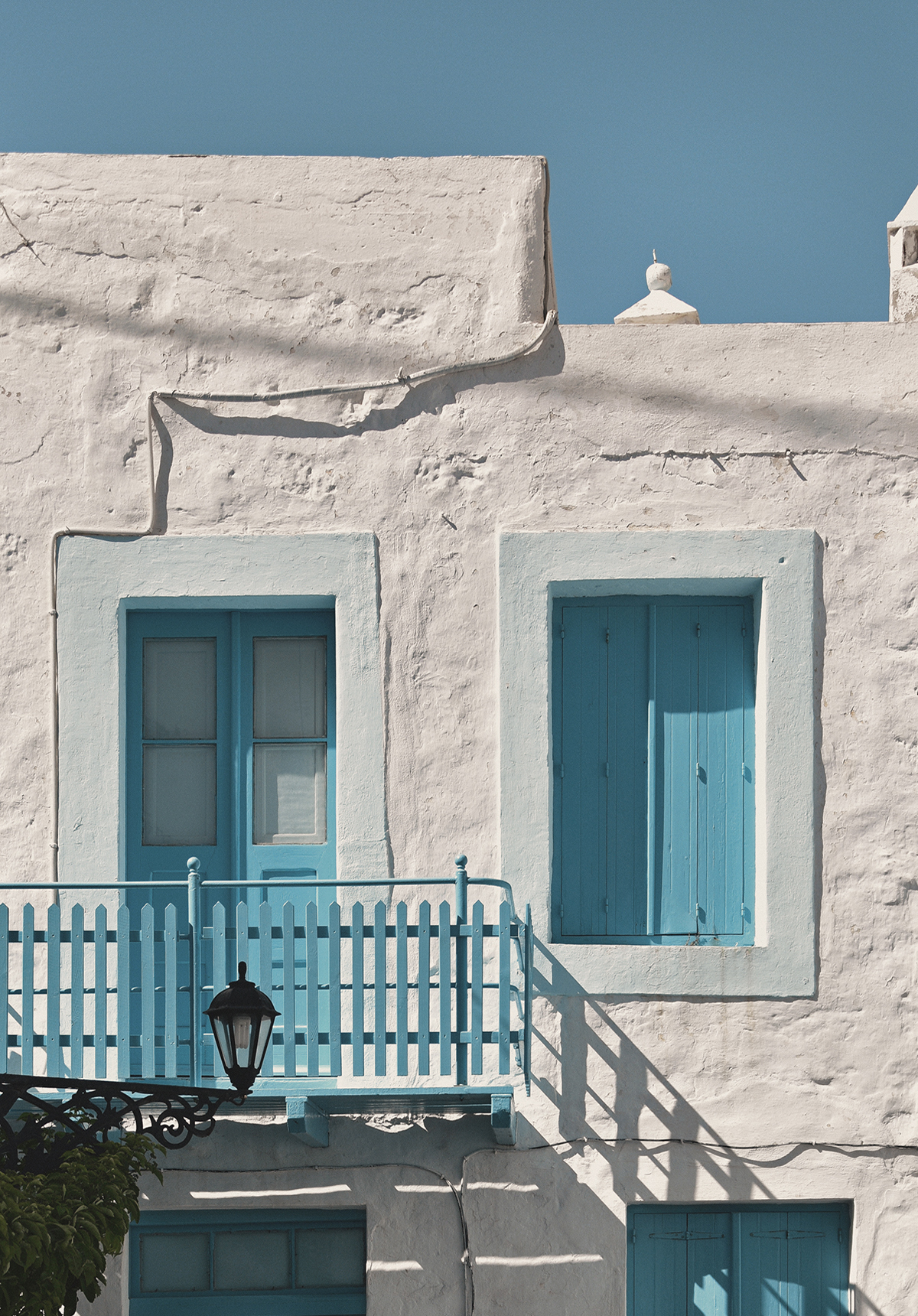
The charm here is in the details: narrow alleys winding past whitewashed houses, pastel shutters, and quiet courtyards where everyday life continues unhurried. We loved how Plaka feels lived-in rather than curated—locals chatting, cats sleeping in the shade, and the occasional scent of coffee drifting from a small café. Just above Panagia Korfiatissa sits the Castle of Plaka, a 13th‑century Venetian fortress. The climb is steep, but at the top, you’re rewarded with sweeping panoramic views across the island and the Aegean.

Greek island escape
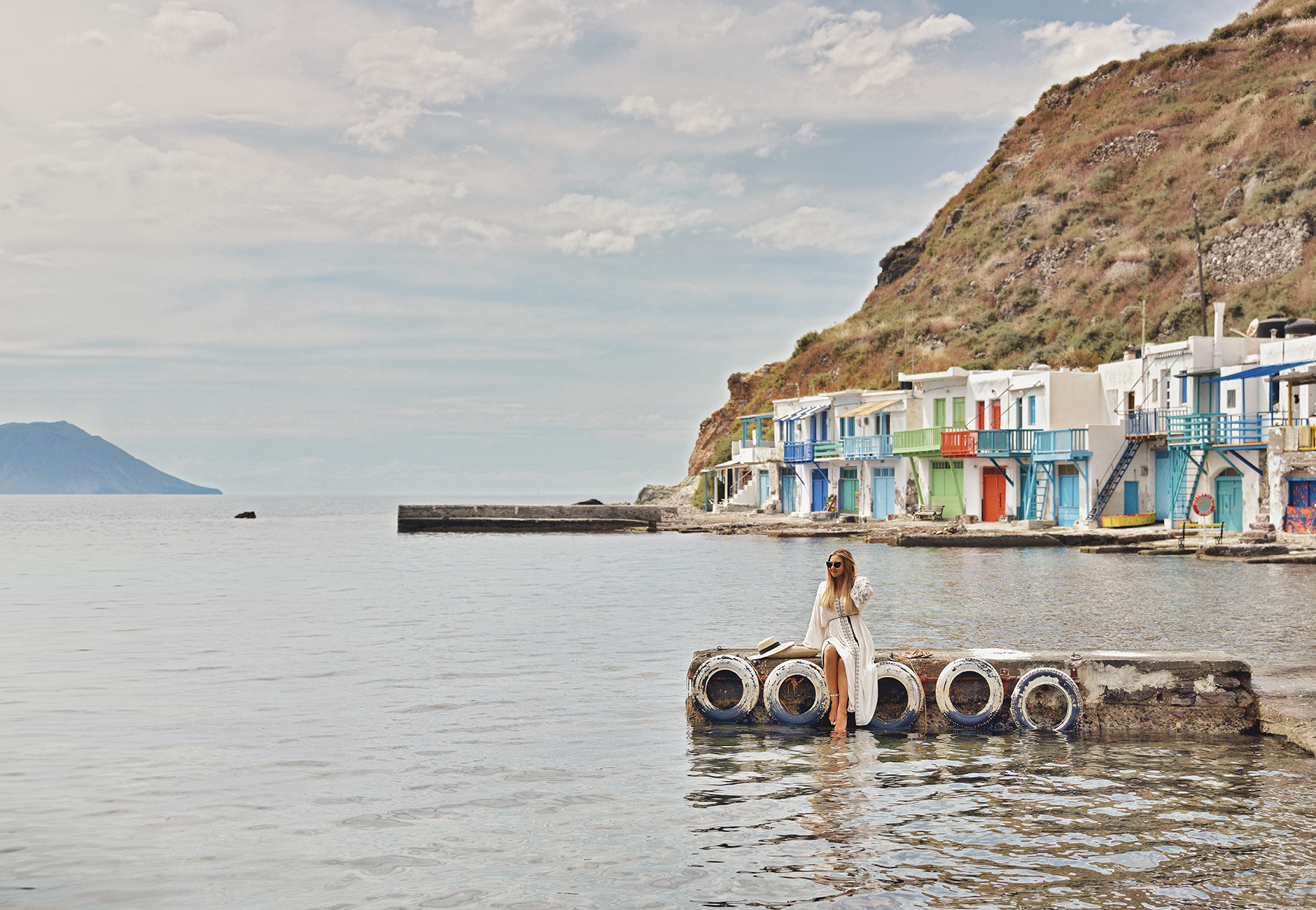
Klima was visually the most striking town we visited, yet it remains refreshingly simple. This tiny seaside hamlet is famous for syrmata, brightly colored boat houses built right on the water. Traditionally used by fishermen to protect their vessels in winter, they are eye candy today.
Early in the day, the village is calm, with water gently lapping at the stone steps. As the light shifts, the colors deepen—blues, reds, and yellows reflect in the water like brushstrokes, making the scene feel painterly. We spent hours just sitting by the shoreline, watching small boats drift past.
Despite being one of the most photographed spots on the island, Klima retains an authentic charm, reminding us that the best travel moments often happen when you stop moving entirely.
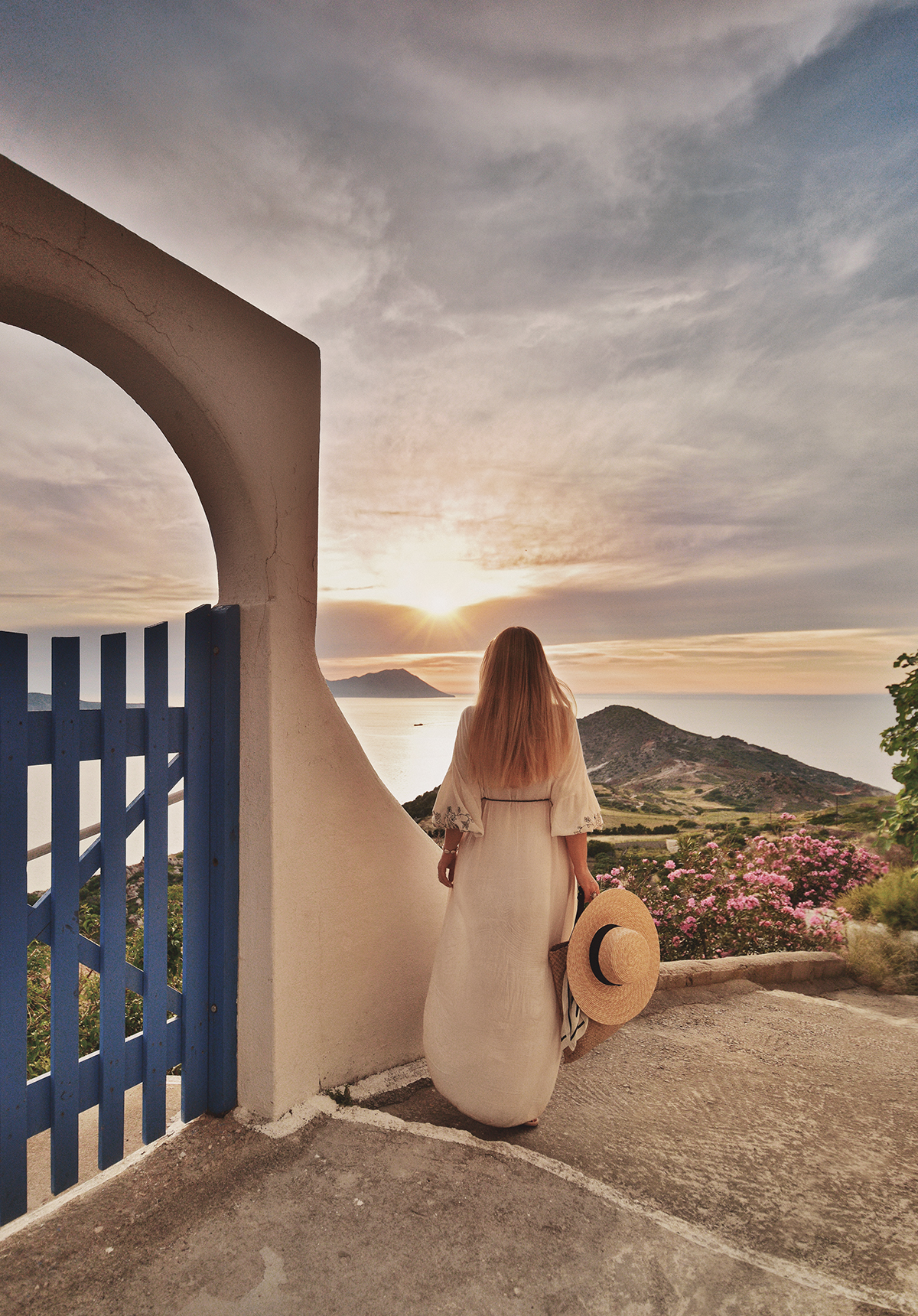
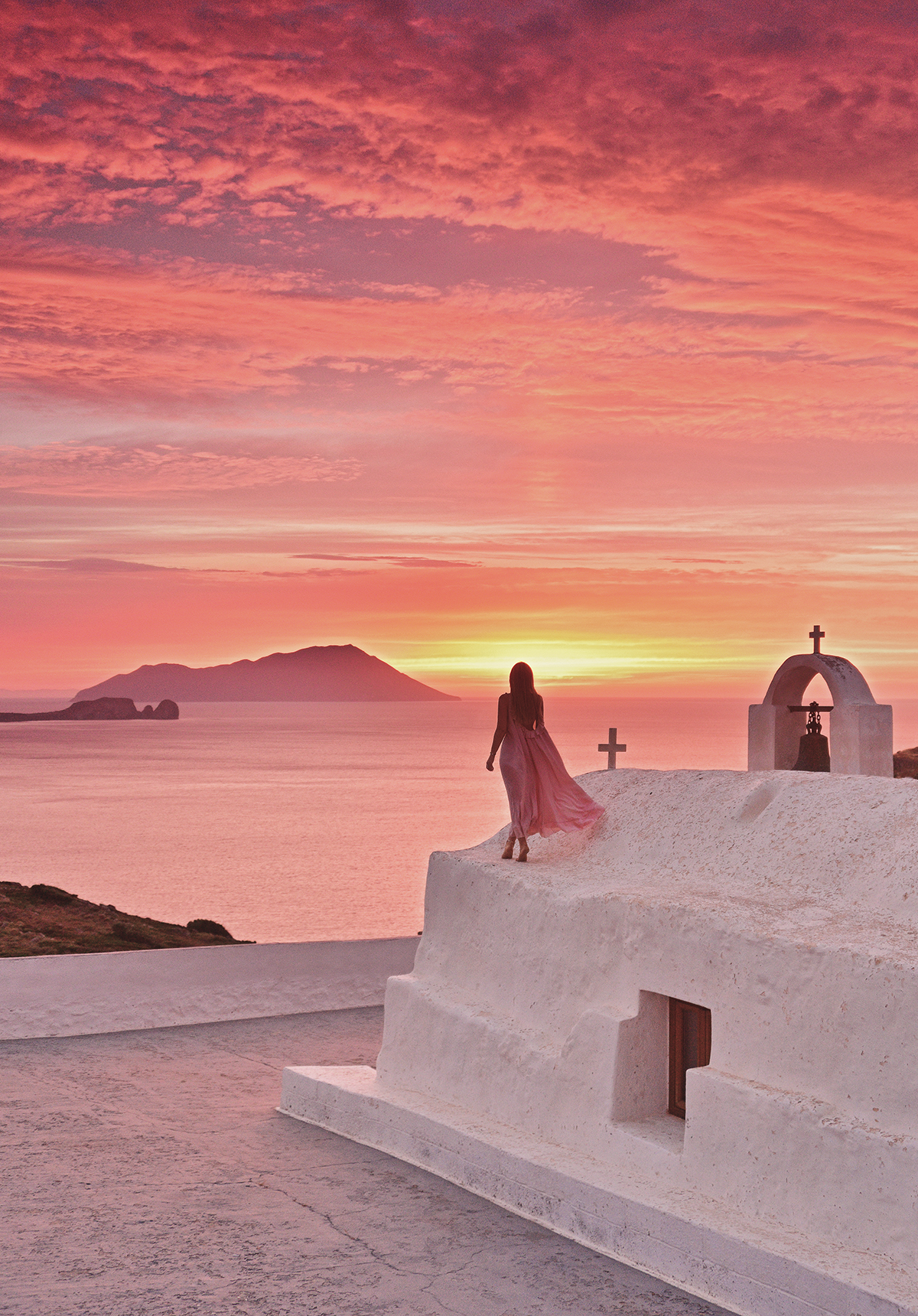
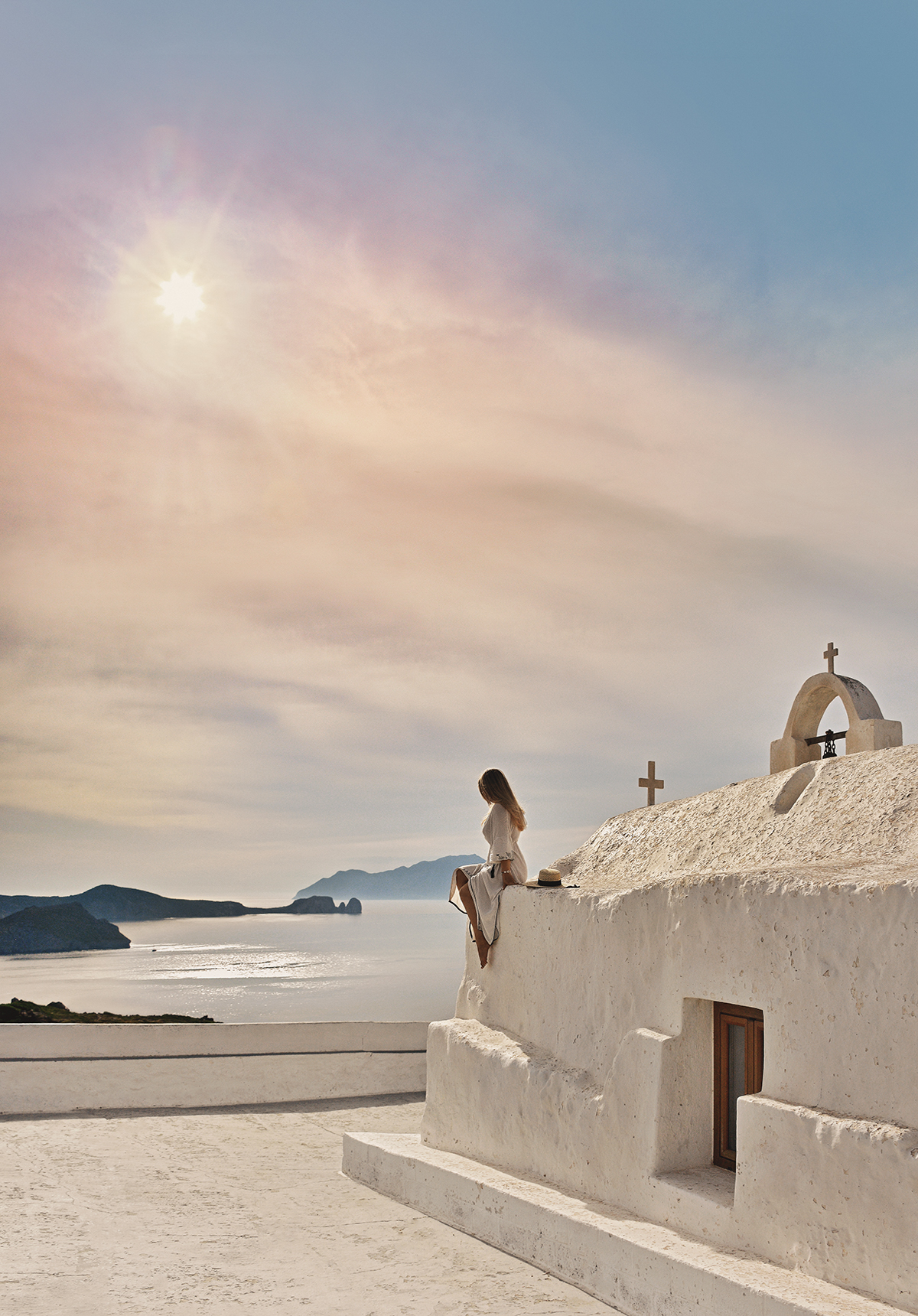
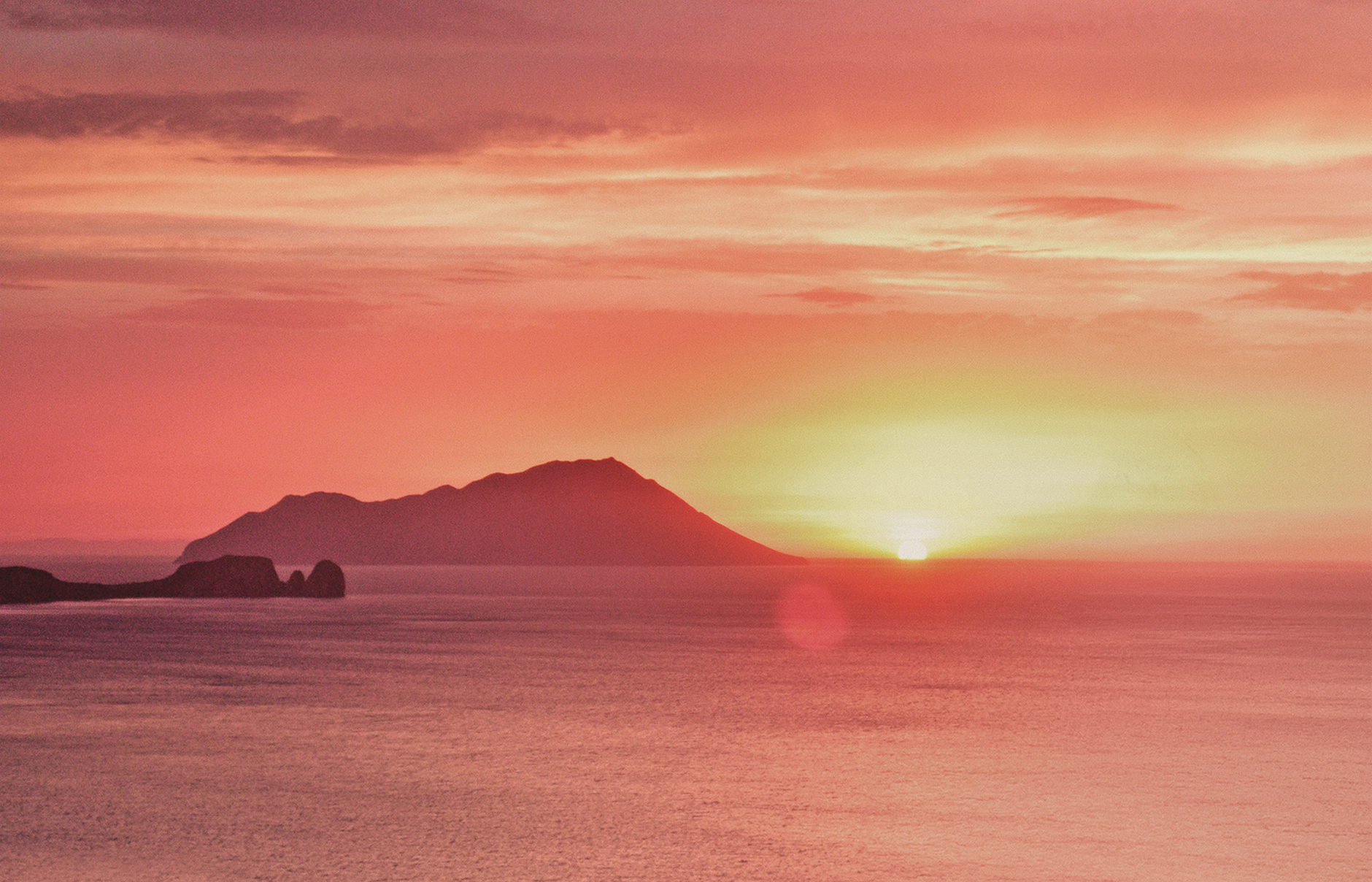
Sunsets here don’t announce themselves with drama; they arrive gently, which makes them special. While many flock to the Kastro in Plaka, some of the most memorable dusks happen in quieter spots.
In Klima, the sun drops low over the water, setting the colorful houses aglow, while Sarakiniko turns an otherworldly shade of violet. Tripiti offers an intimate, elevated view, and Pollonia’s harbor mirrors the sky in calm waters. Sunset on Milos isn’t about chasing the perfect photo—it’s about choosing a place, staying still, and letting the island’s rhythm take over.
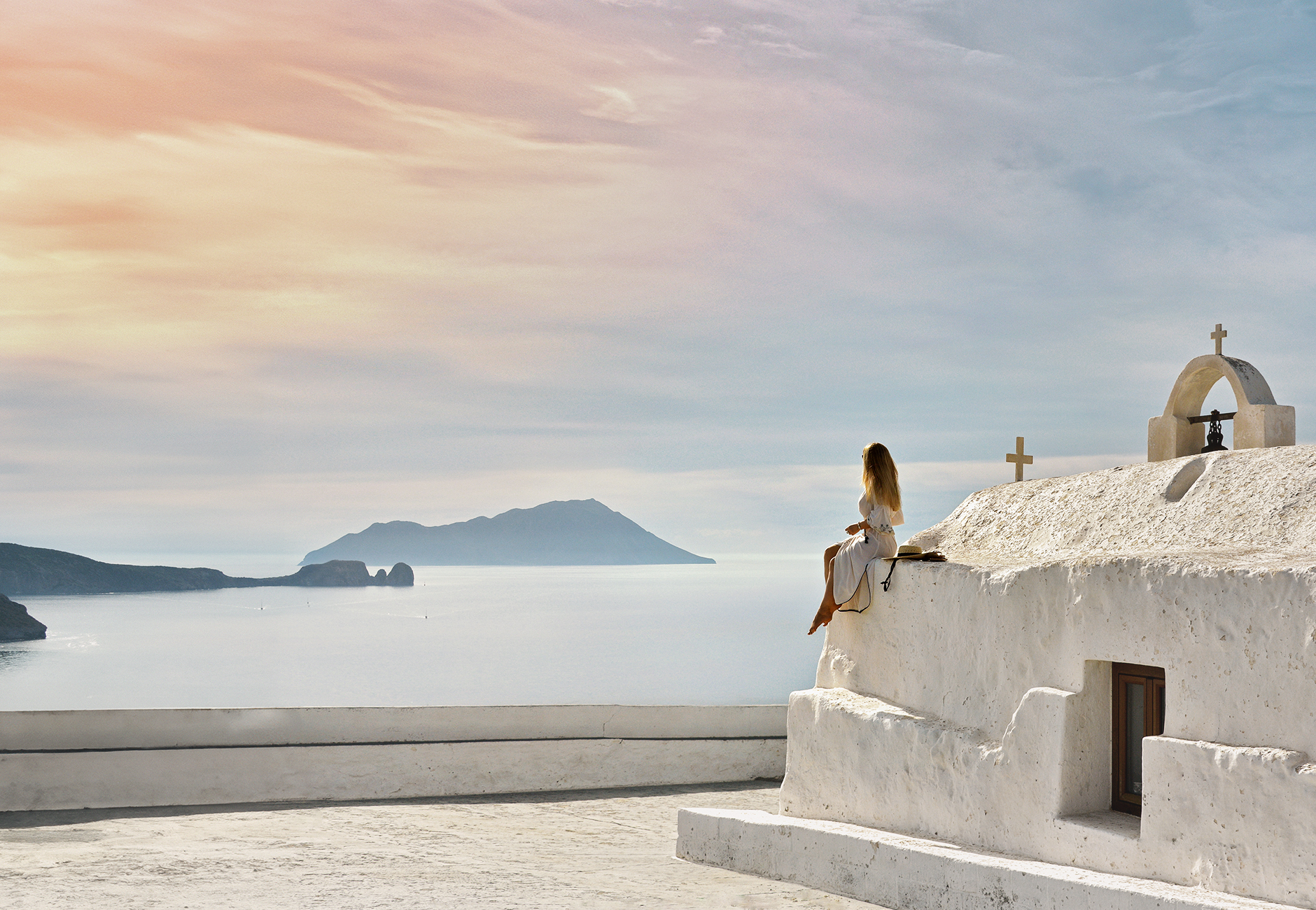
Beyond the beaches, Milos shows a more introspective side. Villages like Firopotamos, a small fishing hamlet, feel suspended in time. Nearby Tripiti offers history and reflection, from the ancient Catacombs and Roman Theater to converted windmills. Exploring these villages (by a rented quad bike), we found that tourism here feels like a gentle presence rather than a disruption. It is in these quiet corners that Milos feels most authentic, rewarding those who look beyond the obvious highlights.
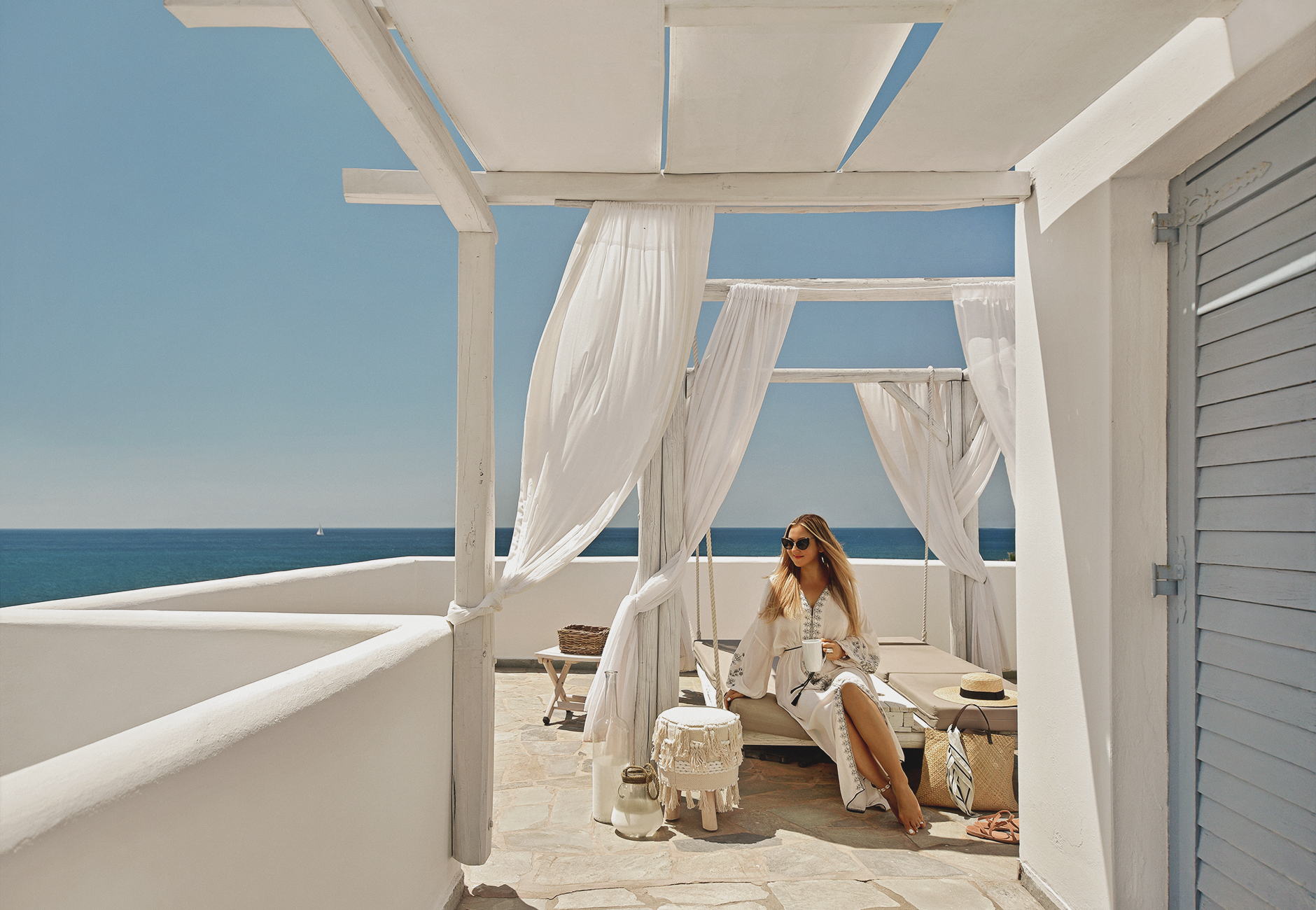
“Milos isn’t often seen as a high-end holiday destination. But now, a string of newly-opened luxe hotels and villas signal a change.” — The Best Chic Hotels in Milos, by TravelPlusStyle
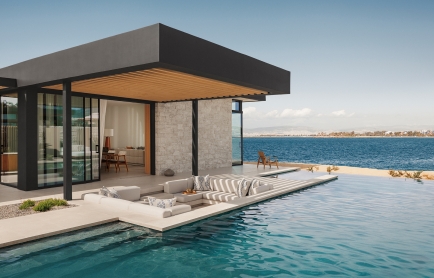
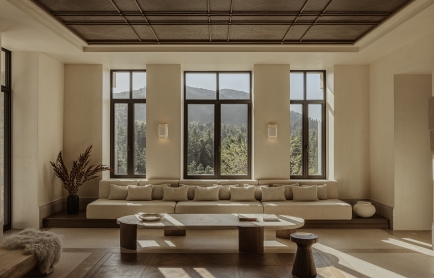
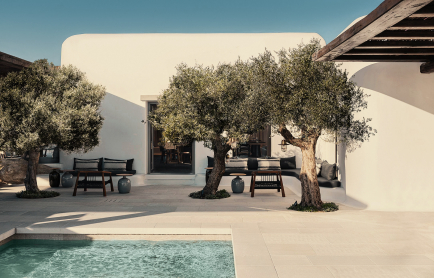
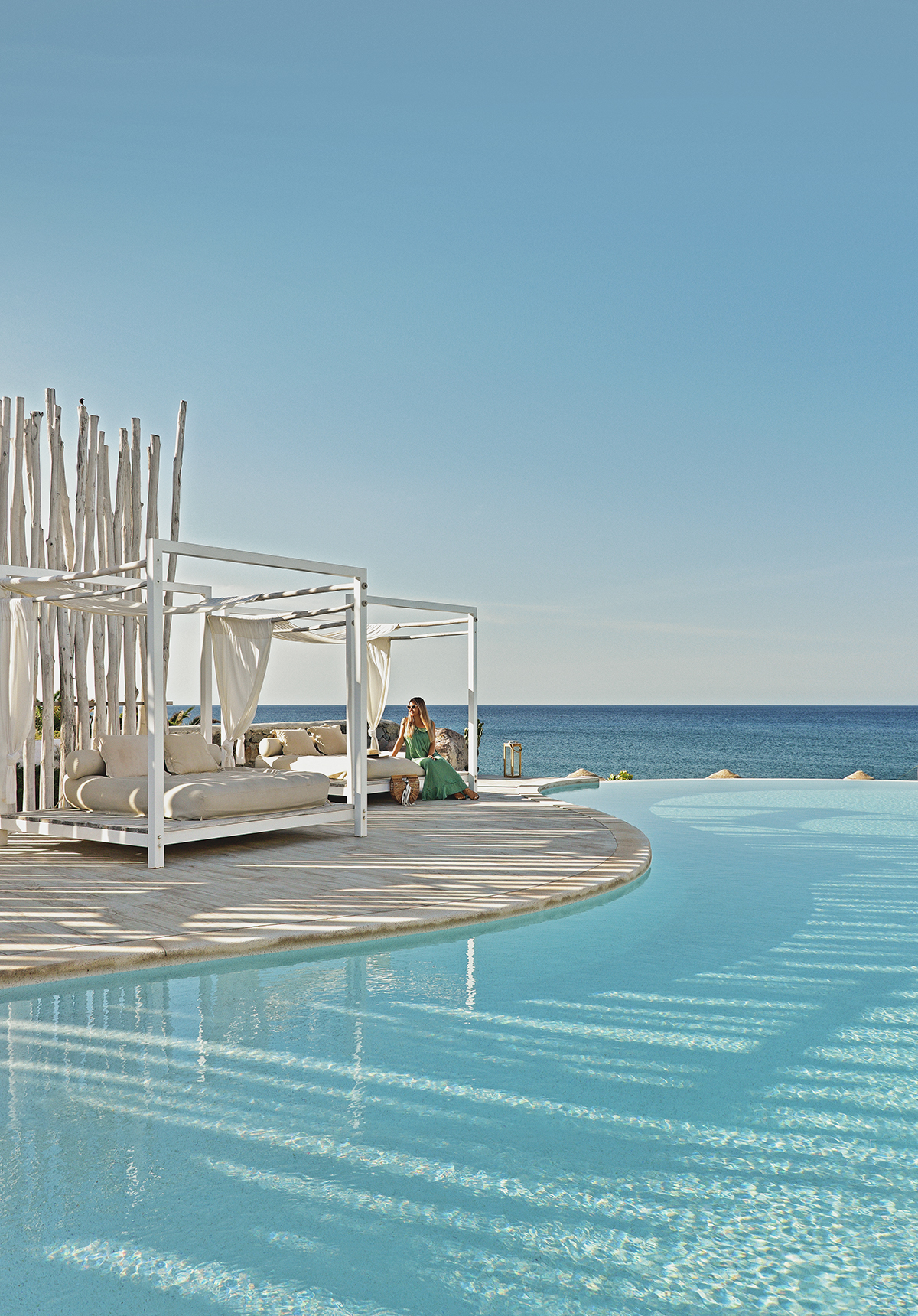
Milos has embraced chic minimalism, offering a curated selection of accommodations that feel exclusive yet grounded. Options range from secluded villas to elegant boutique hotels—including a growing number of 5-star properties. Luxury here is refined: think minimal Cycladic design, private terraces, and sweeping sea views.
Our stay was defined by simplicity—natural materials and seamless integration with the landscape. Mornings began slowly with breakfast by the sea, creating the effortless ease that defines the island.
For a deeper dive, see our dedicated guide:
→ The Ultimate Guide to the Best Chic Hotels in Milos, Greece
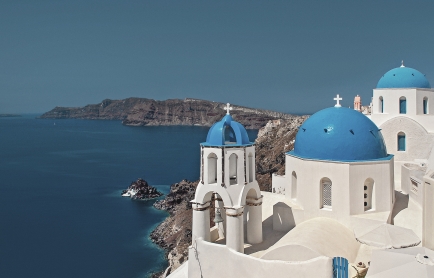
For island-hopping inspiration and a comparison with other Cycladic escapes, explore our guides to luxury hotels in Santorini and chic stays in Mykonos.
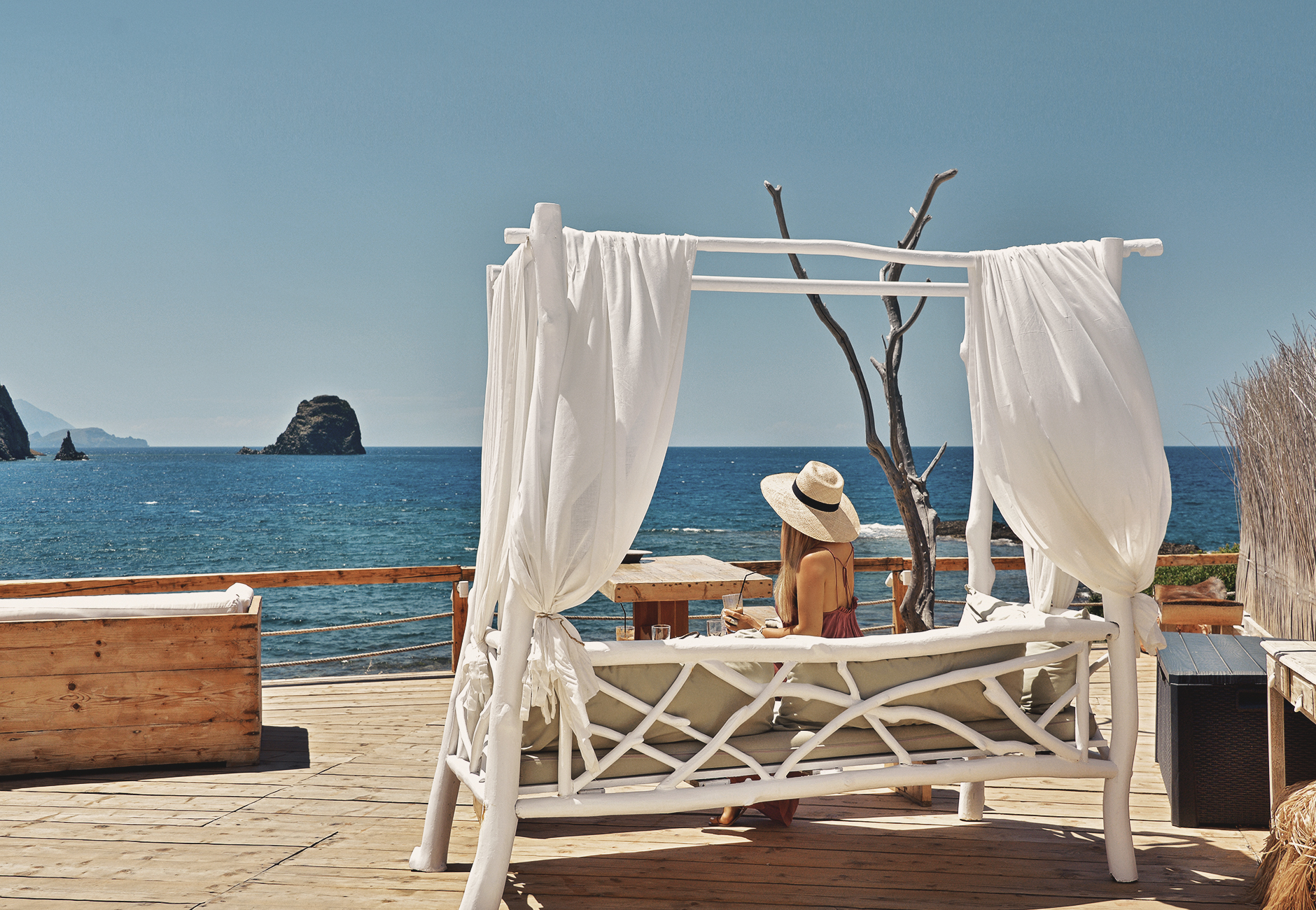
Adamas, the main port, sets the practical rhythm of the island. Framed by a wide bay, it is energetic and welcoming, filled with waterfront cafés, casual restaurants, and boat tour hubs. Despite the activity, evenings here settle into a pleasant hum along the promenade.
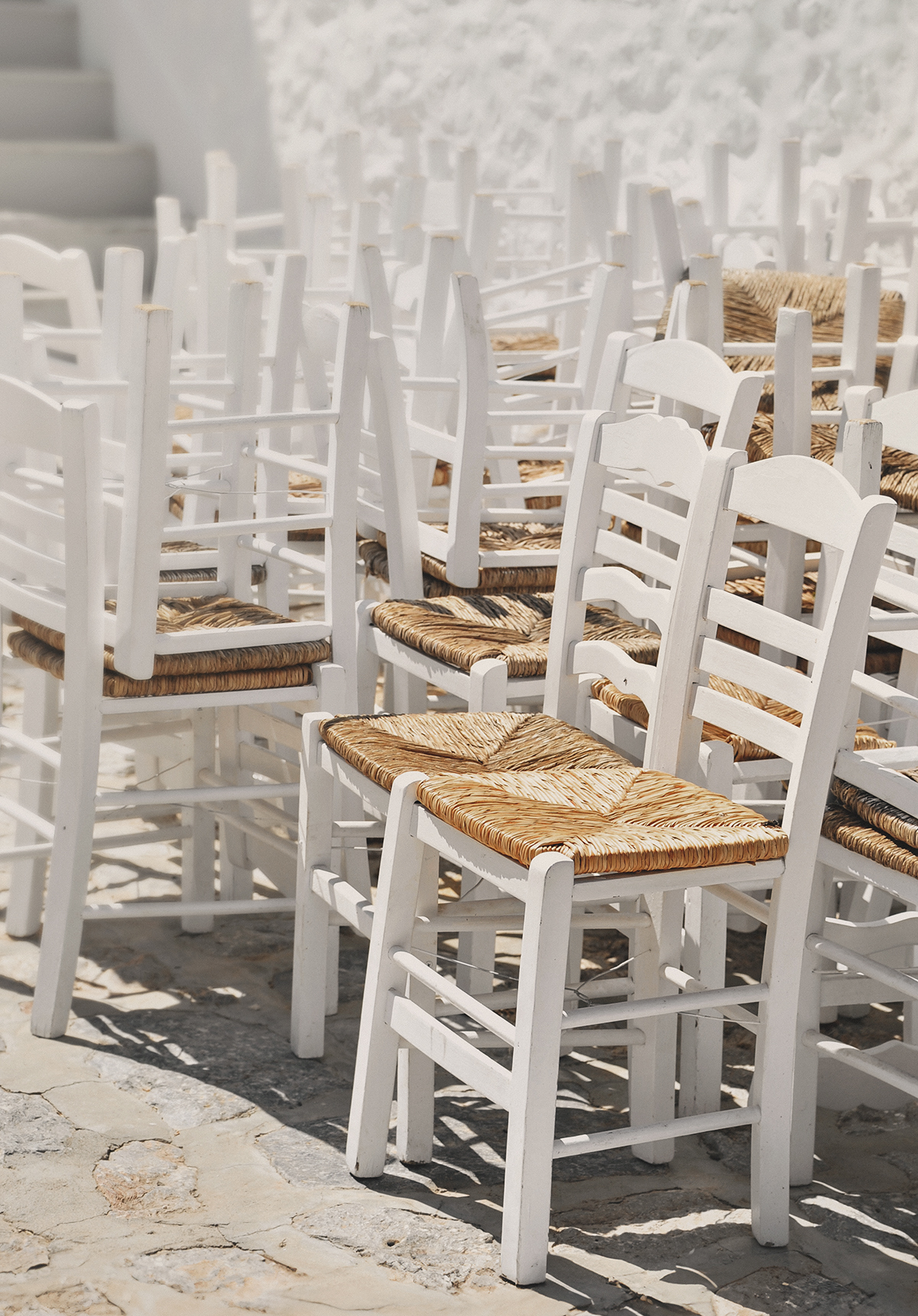
Pollonia, on the northeast tip, offers a different energy—effortlessly relaxed and deeply rooted in family life. The small harbor, lined with tavernas and tamarisk trees, is ideal for long lunches that stretch into the afternoon. From here, it is easy to access the quieter inland villages and modest chapels that rarely make it onto the standard tourist checklists.
Our 2026 guide to the top hotels on the island
Ultimately, Milos offers the rarest luxury of all: the permission to stop. It captures you not through loud spectacle, but through the quiet drama of its geology and the stillness of its mornings. In a region that often feels frantic, this island remains a sanctuary. You come for the lunar rocks and turquoise waters, but you leave with a renewed sense of calm that is increasingly hard to find.
When is the best time to visit?
Late spring (May–June) and early autumn (September) are ideal. You get mild weather, warm water, and stunning light for photography without the peak July-August crowds.
What is the best way to get around?
We highly recommend renting an ATV (quad bike) or scooter. Why? Cars often feel restrictive in villages with narrow lanes and limited parking. The Benefit: Smaller vehicles allow you to reach secluded beaches and navigate coastal roads with ease, making you feel more connected to the landscape.
How long should I stay?
We recommend at least 4–5 nights. This gives you enough time to explore the beaches by boat and land without rushing.
Is Sarakiniko an organized beach?
No. There are no facilities, shade, or sunbeds. Be sure to bring water and sun protection, as the white rocks reflect the heat. Also, check the weather forecast before you go; avoiding strong North winds ensures the crystal-clear water Sarakiniko is famous for.
*All photos in this post are by Laskowski & Zadros. © TravelPlusStyle.com
Getting there: The flight-comparison sites such as Skyscanner (www.skyscanner.com) or Kayak (www.kayak.com) will help you find the best flights and deals.
Disclosure: We may earn commissions for purchases made through links in this post.
Author: Travel+Style. Last updated: 25/01/2026